The Jaguar XJ X350 is a luxury sedan known for its classic look and modern technology. Produced between 2003 and 2009, this car offers a unique combination of style, comfort and performance. In this article, we discuss its key features, common problems, maintenance tips, points of interest when buying, alternatives and owners' experiences.
Key Points
The Jaguar XJ X350 has a timeless design and an atmospheric interior that exudes luxury.
Common problems include electronic malfunctions, transmission problems and rust.
Regular maintenance and the use of genuine parts are crucial to the XJ X350's reliability.
When buying, it is important to check the maintenance history and thoroughly inspect the car for rust and electronic problems.
Alternatives to the Jaguar XJ X350 include the Maserati 3200 GT, Mercedes-Benz CL and Lexus GS.
Key features of the Jaguar XJ X350
Timeless design
The Jaguar XJ X350 has a timeless design which looks both classic and modern. It is made entirely of aluminium, which ensures lower weight and better performance. This design combines elegance with a sporty look, making it a real eye-catcher on the road.
Atmospheric Interior
Inside the XJ X350 you will find a attractive interior that exudes luxury and comfort. The dashboard features analogue gauges and a button-rich centre console. Standard equipment includes electrically adjustable seats, leather upholstery and climate control. Options like seat heating and a seat adjustment memory function make the driving experience even more enjoyable.
Technical Specifications
The XJ X350 offers several engine options, including a 3.0 V6 with 243 hp and a 3.5 V8 with 272 hp. The V8 engine provides a quieter ride at low speeds and an impressive roar when accelerating. The car is equipped with modern technologies, although the navigation system may be outdated. The aluminium construction contributes to better performance and lower fuel consumption.
Common Problems with the Jaguar XJ X350
Electronic faults
The Jaguar XJ X350 is known for its luxury and sophisticated electronics, but this can also cause problems. Many owners report faults in the electronic system, such as faulty sensors and problems with the infotainment system. It is important to regularly update the software and malfunctions immediately to avoid bigger problems.
Transmission problems
Another common problem with the XJ X350 is the transmission. Especially in older models, problems can occur with the automatic transmission. Symptoms include jerking during gear changes and not shifting smoothly between gears. Regular maintenance and timely transmission fluid replacement can help prevent these problems.
Rust and corrosion
Despite the aluminium body of the XJ X350, rust can still be a problem, especially at the underside of the car and the wheel arches. It is advisable to regularly check the car for rust and corrosion, and take preventive measures such as applying a rust-preventive coating.
Maintenance tips for the Jaguar XJ X350
Regular Maintenance
For the Jaguar XJ X350, regular maintenance is crucial. The service interval is 12,000 kilometres or 1 year. This means that you should get serviced at least once a year, even if you drive less. Minor servicing starts from €350, while major servicing costs from €550.
Cost of spare parts
The cost of parts can vary, but here are some examples:
Section
Price (including VAT)
Brake pads for front (per set)
€150,85
Brake discs for front (per set)
€164,38
Rear axle shock absorber (each)
from €276.29
Water pump
€65,89
Dunlop Sport Maxx 245/50 R18 (each)
from €155
Specialist Care
It is advisable to have your Jaguar XJ X350 serviced by a specialist. This is because these cars have specific points of interest that a specialist can better identify and fix. Think of electronic malfunctions and rust. A specialist can also better estimate when parts need to be replaced preventively to avoid bigger problems.
A well-maintained Jaguar XJ X350 can bring you a lot of driving pleasure and fewer unexpected costs. Regular maintenance and specialist care are key here.
Points to consider when buying a Jaguar XJ X350
Check the Maintenance History
When buying a Jaguar XJ X350, it is essential to check the maintenance history thoroughly. A well-documented maintenance history can prevent many future problems. Ask for invoices and service booklets to make sure the car has been serviced regularly and by a specialist.
Bodywork inspection
The body of the XJ X350 is made entirely of aluminium, which reduces but does not completely eliminate rust problems. Look out for signs of corrosion, especially around the wheel arches and under the doors. Also check for any damage repairs, which may indicate previous accidents.
Test the Electronics
Electronic faults are common in the XJ X350. Test all electronic systems thoroughly, including air conditioning, navigation and electric windows. Make sure all functions work properly to avoid costly repairs in the future.
A thorough inspection and test drive can reveal many hidden defects. Take your time to check everything thoroughly before making a decision.
Alternatives for the Jaguar XJ X350
Maserati 3200 GT
The Maserati 3200 GT is a luxury GT with a striking design by Giugiaro and a powerful twin-turbo V8 engine. The original model with the curved tail lights is often considered the most beautiful. Its successor, the 4200 GT, is a bit braver and more solid. Prices vary between €14.000 and €37.000.
Mercedes-Benz CL
The Mercedes-Benz CL combines the technology of an S-Class with an elegant two-door coupé. This car seats four and has an atmospheric or blown V8, or even a V12, under the bonnet. Prices for a Mercedes-Benz CL range between €3.500 and €28.000.
Lexus GS
The Lexus GS is a reliable and luxurious sedan known for its comfort and durability. While its design may not be as striking as that of the Maserati or Mercedes, the Lexus GS offers an excellent driving experience and low maintenance costs. Prices for a used Lexus GS are often favourable, making it an attractive option for those looking for a reliable car.
Experiences of owners of the Jaguar XJ X350
Positive Experiences
Owners of the Jaguar XJ X350 often praise the comfortable driving experience and the car's luxurious appearance. The combination of a powerful engine and a refined interior makes every drive special. Many drivers also appreciate the timeless design of the XJ X350, which looks both classic and modern.
Negative Experiences
While the Jaguar XJ X350 gets a lot of positive feedback, there are also some recurring complaints. Electronic faults are common, which can lead to frustration. In addition, some owners report problems with the transmission, especially at higher mileages. Rusting, despite the aluminium bodywork, is also a concern.
Owners' tips
Experienced owners always recommend checking the car's maintenance history before buying. Regular maintenance by a specialist is crucial to keep the car in top condition. It is also wise to take an extensive test drive to test any electronic problems and the condition of the transmission.
Curious about what owners of the Jaguar XJ X350 have to say? Discover their experiences and learn more about this beautiful car. Visit our website for detailed stories and useful tips. Don't miss out!
The Volvo S60 is a popular choice among car enthusiasts because of its stylish design and comfortable driving experience. However, as with any car, there are some concerns and weaknesses that potential buyers should consider. In this article, we discuss the common problems, give tips for buying a Volvo S60 youngtimer, and compare its reliability with competitors. We also give advice on maintenance and repair, and look at the most popular versions and options.
Key Points
Electronic faults are common in the Volvo S60, especially in older models.
Always check the service history and mileage before buying a Volvo S60.
The Volvo S60's engines are known for their durability, but they require regular maintenance.
During a test drive, it is important to look out for wear on the suspension and steering box.
The cost of parts and repairs can be high, so keep this in mind when buying.
Common Problems with the Volvo S60
Electronic faults
In the Volvo S60, electronic failures are common. A common problem is failure of the ETM (Electronic Throttle Module), which can lead to an unstable idle speed. Always check that all electronic functions work properly during a test drive, such as the air conditioning, on-board computer and window controls.
Engine problems
The engines of the Volvo S60 are generally reliable, but there are some points of concern. In diesel engines, diesel oil can get into the engine oil during regeneration of the particulate filter, which adversely affects lubrication. The camshaft sensor and crankcase breather can also cause problems. Watch for strange noises and check the maintenance history carefully.
Wear and tear on the wheel suspension
Suspension wear is another common problem in the Volvo S60. Especially the wishbones and shock absorbers can wear out over time, affecting driving comfort and safety. It is advisable to have the suspension thoroughly inspected before buying.
It is important to pay close attention to these common problems when buying a Volvo S60. A thorough inspection can save you many future problems and costs.
Reliability of the Volvo S60
Long-term Sustainability
The Volvo S60 is known for its excellent durability. Many owners report that their cars can go over 200,000 kilometres without any major problems. This is due to the robust build quality and reliable engines Volvo uses. However, regular maintenance is crucial to achieve this lifespan.
Owners' experiences
Owners of the Volvo S60 are generally very satisfied with their vehicles. They especially praise the car's comfort and safety. Some common positive points are:
Comfortable chairs
Good driving experience
Reliable engines
Still, there are some areas of concern, such as electronic malfunctions and wear and tear on the suspension. However, these problems can often be solved with timely maintenance.
Comparison with Competitors
Compared to other cars in the same class, such as the BMW 3-series and the Audi A4, the Volvo S60 scores well in terms of reliability. Although its German rivals are often praised for their sporty handling, the S60 offers a balanced mix of comfort and performance. Moreover, the Volvo's maintenance costs are often lower than those of its German counterparts.
The Volvo S60 offers an excellent balance between reliability, comfort and cost, making it an attractive choice for many car enthusiasts.
Tips for Buying a Volvo S60 Youngtimer
Check the Maintenance History
When buying a Volvo S60 youngtimer, it is essential to check the service history. Ask for service booklets and invoices. Regular maintenance is a good indication that the car has been well cared for. Pay particular attention to whether the timing belt has been replaced on time, as this can prevent expensive repairs.
Note mileage and wear
Mileage gives an indication of the car's wear and tear, but it is not all-important. A car with high mileage can still be in good condition if it has been well maintained. Also check for wear on the seats, pedals and steering wheel, as this can tell more about the actual condition of the car.
Test drive and inspection
Always take a test drive and have the car inspected by an independent mechanic. During the test drive, pay attention to strange noises, vibrations and how the car drives. A thorough inspection can reveal hidden defects and save you a lot of money in the long run.
Proper preparation and thorough inspection can help you find a reliable Volvo S60 youngtimer that will last for years to come.
Maintenance and repair of the Volvo S60
Regular Maintenance
Regular maintenance of a Volvo S60 is essential to prolong the life of the car. Regular oil and filter changes are a must. It is also important to check the brakes, tyres and fluids regularly. A well-maintained S60 can last for many miles without any major problems.
Cost of spare parts
The cost of parts for the Volvo S60 can vary. Here is a short list of some common parts and their prices:
Section
Price (in €)
Brake pads (front, set)
91,95
Brake discs (front, set)
169,48
Aircocondensor
170,96
Distributor set incl. water pump
141,86
Michelin Primacy 4 tyre
145,64
These prices include VAT but exclude assembly costs.
Common Repairs
With the Volvo S60, there are some repairs that are more common than others. Here are a few points to look out for:
Front wishbones: These wear out quickly and may need to be replaced more often.
Window guides: The plastic clips can break, causing the window to sit crooked.
Brake booster: Watch for hissing noises at the brake pedal, this may indicate a leaking brake booster.
A well-maintained Volvo S60 can be a reliable and comfortable car, but it is important to pay attention to these common problems to avoid unexpected repairs.
Popular models and options
Engine variants
The Volvo S60 offers a wide range of engine options. From the economical four-cylinder to the powerful five- and six-cylinders, there is something for everyone. The five- and six-cylinders are known for their pleasant sound and smooth performance. The newer VEA engines are efficient but sometimes lack some character.
Equipment levels
The S60 comes in several trim levels. The base model, the Base, is rare and less popular. The Kinetic already offers more luxury with 16-inch alloy wheels and City Safety. The Momentum adds 17-inch alloy wheels, park assist and a High Performance audio system. The Summum is even more luxurious with bi-xenon lights and leather upholstery. For the sporty, there is the R-Design with 18-inch wheels and sports seats.
Recommended Options
When choosing an S60, there are some options that can significantly improve the driving experience. The adaptive Four-C chassis offers more comfort and better handling. For long distances, the Touring chassis is highly recommended. For those who often hit the road with a caravan, a model with level control is a good choice.
The Volvo S60 offers an excellent mix of comfort, performance and luxury, making it an attractive choice for many car enthusiasts.
Where to buy and what to watch out for
Reliable Dealers
When buying a Volvo S60, it is important to choose a reliable dealer. Official Volvo dealers often offer cars that have been well maintained and checked. In addition, they often provide a warranty, which offers extra security.
Online platforms
There are several online platforms where you can find a used Volvo S60. Websites like Autoscout24 and Marktplaats have a wide range of offers. Make sure you always check the seller and ask about the car's maintenance history.
Warranty and service
When buying a used car, it is wise to look at the warranty and service offered. Some dealers offer an extended warranty, which can cover any repair costs. This can save you a lot of money in the long run.
It is always a good idea to take an independent mechanic for an inspection before you make the purchase. This can reveal hidden defects and help you make an informed decision.
Are you looking for a used car? Then visit our website for the ultimate checklist and handy tips. Here you will find everything you need to know to make a good choice and avoid a mis-sale. From checking the MOT to choosing the right fuel, we will help you on your way. Don't miss out and head straight to our site!
The Audi A4 B6, produced between 2001 and 2005, is a popular choice among car enthusiasts and second-hand buyers. This car is known for its luxurious looks, good performance and reliable driving experience. However, as with any car, there are certain things to look out for when buying and maintaining it. In this article, we discuss the main features, common problems and provide useful buying and maintenance tips.
Key Points
The Audi A4 B6 offers a wide range of engine options, ranging from economical four-cylinders to powerful V6 engines.
Common problems with this model are engine problems, electronic malfunctions and gearbox problems.
Regular maintenance, such as replacing the timing belt and checking the oil level, is crucial to keep the car in good condition.
When buying a used Audi A4 B6, it is important to check the service history and take a comprehensive test drive.
The Audi A4 B6 can be an interesting youngtimer because of the potential insurance and tax benefits.
Key features of the Audi A4 B6
Engine options and performance
The Audi A4 B6 offers a wide range of engine options, both petrol and diesel. Buyers can choose from four-, six- and even eight-cylinder engines. Power ranges from 102 hp to 344 hp for the top model, the Audi S4. A popular choice is the 2.0 petrol engine with 130 hp, which has an average consumption of 8.5 to 9 l/100 km. For those who want to drive more economically, the 1.9 TDI with 130 hp is a good option, with an average consumption of 6 l/100 km.
Interior and Comfort
The interior of the Audi A4 B6 has been designed with comfort in mind. The car offers spacious seating and high-quality materials. Options like leather upholstery, automatic air conditioning and a premium audio system make the driving experience even more enjoyable. However, the sports suspension can cause interior noises, especially on bumpy roads.
Exterior and design
The Audi A4 B6 has a sleek and timeless design. With sharper lines and a higher waistline, this generation distinguishes itself from its predecessor. The car is available as a four-door sedan, a five-door station wagon (Audi A4 Avant) and a convertible. The more rounded rear end gives the car an elegant look.
Technological Innovations
The Audi A4 B6 is equipped with several technological innovations that enhance the driving experience. Standard safety equipment includes ABS and ESP, which helps prevent accidents. In addition, the car scored four out of five stars in the EuroNCAP crash tests. Other technological gadgets include an advanced navigation system and a premium audio system.
Common Problems with the Audi A4 B6
Engine problems
The Audi A4 B6 is known for some engine problems. The 1.8T engine in particular can suffer from sludge-formation, leading to oil loss and engine damage. Regular maintenance and using the right oil can help prevent this problem.
Electronic faults
Electronic faults are common in the Audi A4 B6. Problems with the ECU and sensors can lead to malfunction lights on the dashboard. It is important to get these faults fixed quickly to prevent further damage.
Gearbox problems
The Audi A4 B6's automatic gearbox can sometimes cause problems. Jerking during gear changes and slow response are common complaints. Regular maintenance and timely transmission fluid replacement can reduce these problems.
Rust and bodywork problems
Although the Audi A4 B6 is generally quite resistant to rust, certain areas such as the wheel arches and the underside of the doors can be prone to rusting. It is advisable to check these areas regularly and treat them if necessary.
It is important to pay close attention to these common problems when buying a used Audi A4 B6. A thorough inspection can prevent future costs and inconveniences.
Maintenance tips for the Audi A4 B6
Regular Maintenance
It is crucial to maintain the Audi A4 B6 regularly. This means changing the oil, changing the filters and checking the fluids. Regular maintenance can prevent expensive repairs and extend the life of the car.
Belt replacement
One of the most important maintenance tasks is replacing the timing belt. It should be replaced every 90,000 to 120,000 kilometres, depending on the type of engine. Not replacing the timing belt on time can lead to serious engine damage.
Oil consumption and control
The Audi A4 B6 is known to consume some oil. Therefore, check the oil level regularly and top up if necessary. A low oil level can engine damage cause, so this is a simple but important task.
Brakes and tyres
Check the brakes and tyres regularly. Worn brake pads or tyres can compromise safety. Make sure the tyres have the right pressure and the brakes are working properly. This can not only prevent accidents, but also improve the driving experience.
A well-maintained Audi A4 B6 can provide years of driving pleasure. Regular maintenance and attention to detail are the key to a reliable and safe car.
Buying advice for the Audi A4 B6
When buying an Audi A4 B6, there are a few things to look out for. Always check the service history and make sure the timing belt has been replaced on time. A well-maintained car will last longer and save you a lot of money in the long run. Also note any interior damage, such as at the light switch, which is common on this model.
The Audi A4 B6 comes with several engine options. The 2.0 petrol engine with 130 hp is a solid choice, while the 1.9 TDI diesel engine is also a good option for those with high mileage. Manual transmissions are often more reliable than automatic ones, especially on older models. Quattro All-wheel drive is a plus, especially in wet or slippery conditions.
A full service history is crucial. This will give you an insight into what has been done to the car and whether any major repairs have been carried out. Always ask for service booklets and invoices. This can help you determine if the car has been well cared for.
Always take a test drive before making a decision. Pay attention to how the car drives, if there are any strange noises and how the brakes feel. An inspection by an independent mechanic can also reveal many problems you might not notice yourself.
A thorough inspection and test drive can save you a lot of headaches. Take your time to check everything thoroughly before tying the knot.
The Audi A4 B6 as a Youngtimer
Advantages of a Youngtimer
One of the biggest advantages of the Audi A4 B6 as a youngtimer is its timeless design. The clean lines and classic look still make this car attractive. In addition, maintenance costs are often lower than for newer models, and parts are relatively easy to find.
Insurance and tax benefits
As a youngtimer, the Audi A4 B6 benefits from various tax advantages. In the Netherlands, for example, you pay less road tax for cars older than 15 years. There are also special youngtimer insurances available that are often cheaper than regular car insurances.
Value development
The value of an Audi A4 B6 can remain stable or even increase, especially if the car has been well maintained. This makes it an interesting option for enthusiasts and collectors. It is important to pay attention to the maintenance history and overall condition of the car to maintain its value.
Popular Models and Versions
Within the Audi A4 B6 series, there are some models that are especially popular among youngtimer enthusiasts. The 3.0 V6 Quattro and S-Line versions are sought after for their performance and luxury. The Avant (station wagon) variant is also popular for its extra space and versatility.
A well-maintained Audi A4 B6 can be a valuable addition to your car collection, with benefits in terms of cost and driving pleasure.
Comparison with Competitors
The Audi A4 B6 and the BMW 3-series are both popular choices in the premium segment. The BMW 3-series is known for its sporty handling and rear-wheel drive, providing a dynamic driving experience. In contrast, the Audi A4 B6 offers a more comfortable ride with its front-wheel drive and optional Quattro all-wheel drive. In terms of interior, the Audi offers a more luxurious finish, while the BMW is more driver-focused.
The Mercedes C-Class is a direct competitor to the Audi A4 B6. Both cars offer a high level of comfort and luxury. The Mercedes is known for its smooth driving experience and refined interior. However, the Audi A4 B6 offers a better balance between sportiness and comfort. Technologically, both cars are well equipped, but the Audi has a slight edge with its innovative features.
The Volkswagen Passat and the Audi A4 B6 share many components, as they are both part of the Volkswagen Group. The Passat tends to be slightly cheaper and offers more space, especially in the back seat. However, the Audi A4 B6 offers a more premium feel and better driving performance. For those looking for a practical family car, the Passat is a good choice, while the A4 B6 is more focused on driving pleasure and luxury.
The Volvo S60 is a strong competitor to the Audi A4 B6, especially in terms of safety and reliability. Volvo is known for its excellent safety features, and the S60 is no exception. However, the Audi A4 B6 offers a more refined driving experience and a more luxurious interior. Both cars are good choices, but the decision depends on personal preferences: safety and reliability versus luxury and driving pleasure.
When buying a used car, it is important to compare well with competitors. This can help you find the best deal and avoid unexpected problems. Want more tips and a handy checklist? Then visit our website and find out how to make a smart choice when buying your next car.
The Mercedes-Benz W211 is a popular choice for lovers of luxury and performance. But before you buy this car, it is important to pay attention to a few things. From electronic problems to rust-prone parts, here are the main points to consider when buying a W211.
Key Considerations
Always check the SBC pump and brake system, as they can be expensive to repair.
Rust can be a problem, especially at the rear wishbones, doors and wheel arches.
Make sure the automatic transmission shifts smoothly and that there are no oil leaks.
Test all electronic systems, such as seat adjustment, air conditioning and windows, to make sure they work properly.
Review the maintenance history thoroughly and prefer cars with regular dealer maintenance and software updates.
Common Electronics Problems
SBC Pump and Brake System
One of the most common problems on the Mercedes-Benz W211 is the SBC pump. This pump is essential to the braking system, but can fail over time. A faulty SBC pump can lead to reduced braking force, which is obviously dangerous. It is important to check whether this pump has been replaced or overhauled recently.
Problems with the wiring harness
In some W211 models, oil can leak into the wiring harness, leading to all kinds of electrical faults. This problem is particularly common in E200 models. Oil in the wiring harness may end up damaging the engine computer, leading to expensive repairs. Look out for strange engine malfunction lights on the dashboard.
Comand system malfunctions
The Comand system, which is responsible for navigation and entertainment, can also malfunction. This can range from a jammed screen to complete system failure. During a test drive, check that all functions of the Comand system are working properly. A well-functioning system is crucial for the comfort and functionality of the car.
It is always wise to have a comprehensive diagnosis carried out at a dealer or specialist to detect hidden electronic problems.
Rust-sensitive parts
Rear wishbones
The W211's rear wishbones are notoriously rusty. Especially in cars that drive a lot in wet or salty conditions, these parts can corrode quickly. Regular inspection is therefore essential to avoid bigger problems.
Doors and wheel arches
Doors and wheel arches are other places where rust is common. Pay close attention to the edges of the doors and wheel arches, especially on the inside. A small rust spot can spread quickly if not addressed in time.
Undercarriage and base plate
The undercarriage and base plate are also prone to rust, especially in older models. Check these parts thoroughly during a purchase inspection. Rust on the undercarriage can affect the structural integrity of the car, which can be dangerous. Preventive maintenance can save a lot of misery here.
It is always a good idea to have a car with a known rust history checked extra carefully by a specialist. This can save you a lot of money and worry in the long run.
Engine and Transmission Vulnerabilities
Compressor and magnetic coupling
The W211's compressor and magnetic clutch can cause problems over time. A common problem is wear on the magnetic clutch, which can lead to power loss. It is important to listen for unusual noises while driving, such as squeaking or rattling, which could indicate a problem with the compressor.
Automatic Transmission Problems
The W211's automatic transmission can also be vulnerable. A known problem is that the selector lever sometimes won't move out of the park position. This may be due to an insufficient battery voltage. In addition, the transmission may shift worse when the engine is cold. It is recommended to change the transmission oil every 60,000 km to avoid problems.
Oil leaks and wear
Oil leaks are another common problem with the W211. These can occur at the valve cover gasket or the oil cooler. Oil leaks can lead to serious engine damage if not remedied in time. Regular checking of oil levels and timely replacement of gaskets can prevent many problems.
Note: It is essential to pay close attention to the condition of the engine and transmission when buying a W211. Problems with these parts can be expensive to repair.
Interior and Comfort Systems
Seat adjustment and heating
The seat adjustment and heating in the Mercedes-Benz W211 can sometimes cause problems. It is important to check that all functions are working properly. Electric chairs may get stuck or not respond properly, which can be an expensive repair.
Air conditioning and climate control
Air conditioning and climate control are essential for a comfortable ride. Pay attention to whether the A/C is cooling properly and whether the fans are not making strange noises. A malfunctioning air conditioner may indicate a leak in the system or a faulty compressor.
Electric windows and mirrors
Electric windows and mirrors are useful features, but they can also malfunction. Test all windows and mirrors to see if they move smoothly. Cracking or non-working windows are a common problem in older models.
It is always a good idea to thoroughly test all comfort systems during the test drive. This can save you a lot of future problems and costs.
Maintenance and service history
Regular Software Updates
It is important to ensure regular software updates. These updates can help improve the car's performance and fix any bugs. Remember to check with the dealer if all updates have been done.
Importance of Dealer Maintenance
Dealer maintenance is crucial for the life of your Mercedes-Benz W211. Dealers have the right knowledge and equipment to keep your car in top condition. Moreover, dealer maintenance can increase the value of your car when it is resold.
Verification of Maintenance Documents
When buying a used W211, it is essential to check the service documents. These documents provide insight into the maintenance history and can reveal any problems. Pay particular attention to regular oil and filter changes, and check if any major repairs have been carried out.
Points to note on the test drive
Listening to Unusual Sounds
During the test drive, it is important to listen carefully for unusual sounds. Rattling or squeaking sounds may indicate problems with the suspension or engine. Take time to drive on different types of roads to get a good idea of the car's condition.
Checking the brakes
Test the brakes thoroughly. Brake firmly a few times to see if the car stays straight and that there are no vibrations. A spongy brake could indicate air in the brake system or worn brake pads. Don't forget to test the handbrake as well.
Testing the electronics
Check all electronic systems in the car. This includes air conditioning, electric windows, mirrors, and the Comand system. Faults in these systems can be expensive to repair, so make sure everything is working properly.
A thorough test drive can reveal many hidden defects. Take your time and don't be afraid to be critical.
Cost of parts and repairs
Price of original spare parts
Original parts for the Mercedes-Benz W211 can be quite pricey. For example, a new SBC pump can easily cost €1,500. It is important to note that original parts are often more expensive, but they offer the best quality and fit your car perfectly.
Availability of Aftermarket Parts
Aftermarket parts are often cheaper and easier to find. They can be a good option if you want to save on costs. Please note That quality can vary. It is wise to read reviews and choose reputable brands.
Cost of Labour and Service
The labour costs for repairs to a Mercedes-Benz W211 can also be considerable. A simple oil change can quickly cost €100, while more complex repairs such as timing chain replacement can be much more expensive. Here is a short list of common repairs and their estimated costs:
Oil change: €100
Replacing brake discs: €300
Replace timing chain: €1,200
It is always a good idea to ask for a quote before agreeing to a repair. That way, you won't face any surprises.
The cost of parts and repairs can be considerable. It is therefore important to be well prepared. On our website, you will find useful tips and advice to avoid unexpected expenses. Visit our site and find out how to save on car expenses.
You see them driving a lot, the Renault Captur. And not entirely without reason! Are you looking for a beautiful, reliable and affordable SUV? Then the Renault Captur is an excellent choice. The Captur is spacious, comfortable, economical and equipped with all modern conveniences. And thanks to the wide range of used cars on offer, there is a Renault Captur Occasion find.
Renault Captur, what do users say?
Some people refuse to compromise on style and equipment when choosing a practical family car - and those are the kind of people who will be seduced by the Captur. Safe, stylish, feature-rich and fun to drive: the Renault Captur has it.
The Renault Captur is popular not only for its technology and performance, but also for its user-friendliness and comfort. The car is spacious and practical, with plenty of legroom in the front and rear. The boot is also very spacious at 432 litres, and can even be increased to 1,537 litres with the rear seats flat.
The Captur is also equipped with several handy features, including a touchscreen multimedia system, climate control and cruise control. And thanks to the high seating position, you have an excellent view of the road. Users of the Captur are very satisfied with the car. They especially appreciate its comfort, space, economy and reliability.
Technology and Performance
The Renault Captur is available with various petrol engines, diesel engines and as a plug-in hybrid variant. Petrol engines range from 95 hp to 155 hp, and diesel engines from 95 hp to 115 hp. The plug-in hybrid Captur has an output of 160 hp and can travel up to 50 kilometres fully electric.
Regardless of the engine you choose, the Captur always drives comfortably and smoothly. The steering is light and direct, and the suspension is well-tuned. The Captur is also surprisingly economical, with average consumption of 5.0 litres per 100 kilometres for petrol engines and 3.8 litres per 100 kilometres for diesel engines.
Versions
The Renault Captur is available in several trims, named Life, Zen and Intens. The Life version is the base model and is already equipped with several useful features, such as air conditioning, cruise control and Bluetooth. The Zen version comes with extra luxuries, such as alloy wheels, climate control and parking sensors. The Intens version is the most complete and comes with every conceivable luxury, such as leather upholstery, a panoramic roof and a Bose audio system.
Captur Occasions
Are you looking for a Renault Captur used car? Then you have a wide choice. You can find used cars with various engine sizes, versions and mileages. The prices of used cars range from around €10,000 for a model with high mileage, to over €30,000 for a newer Captur with low mileage.
When buying a Renault Captur occasion, it is important to pay close attention to the mileage, service history and condition of the car. It is also a good idea to have the car inspected by an independent party. Either way, this Renault is an excellent choice for anyone looking for a compact SUV with great character. The car is spacious, comfortable, economical, reliable and equipped with all modern conveniences. And thanks to the wide range of used cars on offer, you can find a Captur for every budget.
Discover the secrets behind common Audi A1 problems! From electrical faults to engine problems, we investigate it all.
Introduction Audi A1
Discover the secrets behind common Audi A1 problems! From electrical faults to engine problems, we investigate it all.
Common problems
Having a car like the Audi A1 can be great, a perfect finish good handling. But even great cars can sometimes encounter problems. Let's take a look at some of the most common problems you can encounter when owning an Audi A1.
What engine problems does an Audi A1 have
1. 1.0 TFSI Engine
Oil consumption: Increased oil consumption due to problems with the piston rings or cylinder walls.
Starting problems: Difficulty starting due to electrical faults or fuel supply problems.
Irregular idling: This could be due to dirty or faulty fuel injectors.
2. 1.4 TFSI Engine
Chain problems: Problems with the timing chain, such as stretching or failure, which can lead to serious engine damage.
Coolant leakage: Leaking coolant due to failing water pumps or hoses.
Engine failure light: Often caused by sensor faults or problems with exhaust gas recirculation.
3. 1.6 TDI Engine
DPF blockage: Clogging of the diesel particulate filter, especially in cars that do a lot of short trips.
Turbo problems: Turbo failure due to poor oil quality or inadequate maintenance.
EGR valve failure: Malfunction of the exhaust gas recirculation valve, which can lead to reduced performance and increased fuel consumption.
4. 2.0 TDI Engine
Intake manifold problems: Problems with the intake manifold, including clogging or faulty valves.
High oil consumption: As with the smaller engines, the 2.0 TDI can also suffer from increased oil consumption due to wear and tear or defects in the engine.
Injector problems: Faulty or fouled fuel injectors that can lead to poor engine performance and increased emissions.
Electronic problems on an A1
1. Malfunctions in the Infotainment system
HMI system failure or restart: This can be frustrating, especially if the navigation or entertainment system unexpectedly fails or restarts.
Bluetooth connectivity issues: Problems connecting or maintaining connections with smartphones.
2. Problems with the Electric Window Control
Non-functioning electric windows: Sometimes one or more electric windows do not work due to failing switches, motors or wiring.
3. Lighting problems
LED daytime running light malfunctions: problems with LED lights not working as intended or failing prematurely.
Indoor lighting problems: Indoor lighting that does not switch on or works erratically.
4. Starting problems
Poor starting or failure to start: This can be caused by problems with the starter motor, battery or electrical wiring.
5. Sensor-related Problems
Parking sensor malfunctions: Irregularities or complete failure of the parking sensors.
Rain and light sensor problems: Sensors not responding correctly to changes in light or precipitation.
6. Electronic Components of Motor Management
Engine management system faults: This can lead to dashboard warning lights and reduced engine performance.
7. Battery problems
Rapid battery discharge: This can occur due to age or electrical leaks.
Owners of an Audi A1 have reported problems with the automatic transmission, including rough shifting, hesitation and occasionally not shifting properly.
Electronics
Some Audi A1 models have experienced various electrical failures, including problems with the infotainment system, flickering dashboard lights and electrical short circuits.
Oil leakage
Oil leaks are a common problem in the Audi A1 and usually originate from the engine or oil sump gasket. It is important to address oil leaks immediately to prevent further damage.
Suspension
Some Audi A1 owners have reported hearing unusual noises from the suspension, such as rattling or squeaking. This may indicate worn suspension components.
Engine
Engine failures in the Audi A1 can be caused by a range of problems, from faulty spark plugs to a faulty fuel injector. It is essential to diagnose and resolve engine faults to prevent further damage.
What to do in case of problems with the Audi A1
Serious Problems
These problems require immediate action for safety reasons or to prevent serious damage to the car:
Engine problems such as oil leakage, unusual noise or smoke: Visit a mechanic immediately. Driving with such problems may lead to further engine damage.
Electrical problems such as engine not starting or electrical faults affecting driving safety: This should be checked by a professional as soon as possible.
Severe brake problems, such as spongy brake pedal or audible chafing: Stop driving and contact a garage. Brake problems can be life-threatening.
Steering malfunctions: If the steering feels heavy or the car does not respond properly, this could indicate a serious problem.
Less Serious Problems
These problems need to be addressed, but you can usually keep driving until you can get an appointment:
Minor electrical problems such as problems with the infotainment or interior lighting: These are often more annoying than dangerous and can be fixed during the next scheduled service.
Air-conditioning problems: Unless it is summer and cooling is essential, these problems can wait until a regular garage visit.
Slight oil leak: Keep an eye on the oil level and schedule a visit to the garage to get the source of the leak fixed.
Minor problems with electric windows or other non-essential functions: These can usually wait until the next scheduled service.
Are you a handyman looking for the ideal bus? The professionals at Dutch Vans, dealer in affordable used cars, will be happy to help you on your way. While tastes of course always vary and many suitable options exist, in our opinion, these three buses are outliers in their class. They meet the diverse needs of handymen, for any size of job.
Iveco Daily (Large)
For large-scale projects and long distances, the Iveco Daily is our favourite. The Iveco Daily stands out with a spacious, comfortable cabin that makes long journeys enjoyable. The Daily also offers more than enough space for all your tools and materials, with the ability to stand upright, unless of course you exceed two metres. Possible other good options in this class you could take a look at are the Volkswagen Crafter, Renault Master and Mercedes-Benz Sprinter.
Ford Transit Custom (Medium)
The Ford Transit Custom is a reliable choice for medium-sized projects. After all, this van is praised for its robustness and driving comfort. The Transit Custom offers enough space for all your tools and materials, while remaining easily manoeuvrable in town and driving comfortably on the motorway. A special plus is the extra storage space under the cabin, accessible from the cargo area. Perfect for stuff you use less often (just bear in mind the limited accessibility, if you store other stuff).
Volkswagen Caddy (Compact)
The Volkswagen Caddy can be customised with shelves, racks and dividers for organised storage of your tools, while still leaving plenty of room for your materials. Ideal for around town, the Caddy makes it easy to move quickly between different jobs. It is known for its comfort, manoeuvrability and efficiency, thanks to its fuel-efficient engines that contribute to lower fuel costs. For those who need more space, there is the Maxi version, or check out our recommendations for larger models.
Interested in more information?
Looking for more details about these commercial vehicles or need personal advice? Then get in touch with Dutch Vans. This Barneveld-based dealer is happy to help and almost always has a suitable (young) used commercial vehicle in stock for you.
Dutch Vans is located in Barneveld, right next to the A1 motorway. This makes the company easily accessible from all over the country. Moreover, they have dealer-quality buses, but sell them at a wholesale price.
If you are considering buying a car, it can be difficult to keep track and weigh up all the options. While some may find choosing a car an unpleasant prospect, others find it a treat (including us!). But it can be easy to get carried away and it is important to keep both feet on the ground while looking. As tempting as it may be to opt for the model that catches the eye with a great colour, attractive looks or a thick A-brand, it can be worth it in the long run if you take a step-by-step approach to buying.
We have put together this guide to help you decide which car to buy. In the end, you alone know your lifestyle, taste and budget. This guide will help you figure out what you need a car for and put together a checklist for the best option.
What to look out for when buying your next car
What is your budget? How much do you want to spend - both on purchases and fixed costs
What you will use the car for
How much space you need
Which features you need or want
Petrol, diesel, hybrid or electric?
New or second-hand?
Deciding to buy a new or used car is the first step towards buying your next car. Your budget is likely to play a big part in the decision and this will also largely determine whether a new car is possible at all. If you buy a new one, you will benefit from the peace of mind of a long manufacturer's warranty (may vary by brand). You can also customise the car exactly to your taste and needs, but a new car can have a long delivery time, and remember that you will almost always lose more money in the long run than if you were to buy a used car. This is because of the rapid depreciation on cars, although this can vary greatly by make and model.
Used cars, meanwhile, have their own advantages. A used car will almost always be cheaper than a new one and the first owner will probably have taken the first hit of depreciation, so you won't have to. A good place to start your search is through CarProf, for example, where you can find various view occasions.
How do you use your car?
Think about how you use the car, if you mainly drive around town, fuel consumption may be a secondary concern (few cars are most efficient in stop-start traffic), but you may want a small car to make parking easier. Four-wheel drive, on the other hand, is usually not necessary unless you plan to tow regularly or frequent the countryside.
And of course the question, how much space do you need? Do you need seven seats, or will a cheaper model with five seats suffice? Is there room for your family or friends in the back of the car, and is the boot big enough for the stuff you often take with you? Would a higher ride height make getting in and out of the car easier? If you have bikes or canoes, are roof rails useful? Or a tow bar for a cart or bike carrier? By asking yourself questions like these, you'll narrow down your search criteria and make the search a lot easier.
Which body shape?
If you bought a car twenty or thirty years ago, this choice was quite simple; if you didn't cover that many miles, you bought a hatchback, a station wagon was for those who regularly had to carry large loads or had a large family. While everyone else drove a sedan. It's not that simple these days.
Nowadays, SUVs are a lot more popular, thanks to their higher entry and larger interior space. More modern models drive reasonably well and do not consume much more fuel than a conventional car. You may also have heard of the term 'crossover' - this was originally a term referring to a car that combines the features of two body styles, but is now mainly used to refer to cars based on traditional small hatchbacks with increased entry and handling with features of SUVs.
The following body styles are available:
City cars (e.g. Fiat 500)
Superminis (e.g. Ford Fiesta)
Small SUVs (e.g. Nissan Juke)
Family hatchbacks (e.g. Ford Focus)
Family SUVs (e.g. Nissan Qashqai)
Large family cars (e.g. Ford Mondeo)
Estate cars (e.g. Skoda Octavia Estate)
Large SUVs (e.g. Kia Sorento)
MPVs (e.g. Ford Galaxy)
Executive (high-end) cars (e.g. BMW 5-series, Mercedes E-class)
Coupés (e.g. Audi TT)
Cabriolets (e.g. Mazda MX-5)
When deciding which car to buy, keep in mind roughly what body shape you want, but be prepared to expand the search. For example, if you are looking for a traditional hatchback like the Volkswagen Golf, would the extra space available in a similarly priced Skoda Karoq SUV be useful, or will all that extra space just go to waste? With brands, a similar story applies: be prepared to consider manufacturers you once considered too luxurious, as well as brands that may have previously been dismissed because they seemed too 'budget'. So be open to looking around.
Petrol, diesel, hybrid or electric?
The next thing to consider is the fuel for your car. While some cars are only available with a petrol engine, such as the Skoda Fabia, most manufacturers offer both petrol and diesel engines. Mild-hybrid, hybrid, plug-in hybrid and electric models are becoming more common and can be an excellent choice, especially if you do a lot of city driving.
As a rule of thumb, if you travel less than 19,000 kilometres a year, a diesel engine may not be suitable. Diesel cars cost more to buy than their petrol counterparts, and you will have to drive quite a few kilometres to make up for the difference in fuel savings. Although with today's fuel prices, this is sometimes not entirely true anymore. So do the math to determine the difference between a petrol and diesel car, include road tax and insurance in this. Conversely, most hybrid petrol and plug-in hybrid models offer lower running costs than a petrol/diesel car, but are more expensive to buy. Nevertheless, EVs and hybrid cars are becoming increasingly available on the used market and are becoming more affordable.
If you mainly do short trips, a diesel is probably not the right choice. This is because diesel engines need to run at speed regularly to burn the soot that accumulates in the diesel particulate filter (DPF). If you don't give a diesel engine a chance to do this from time to time, you could end up with a clogged particulate filter and a high repair bill. If you want lower consumption and emissions, a diesel with mild-hybrid support may be a good choice.
If you plan to use the car for shorter trips, then one of the best plug-in hybrid models could be a viable choice. Think about charging that though, do you have the space at home to install a charging point or does it have to be along public roads? A large number of PHEV models, such as the BMW 330e and Mercedes A 250 e, can drive around 50 kilometres electrically depending on how you drive it, a range that can often be sufficient for short commutes.
Electric cars offer the lowest fixed costs (there is no road tax to pay for now and charging at home costs much less than a full tank of fuel), so you can offset the higher purchase price of an electric car with much lower fixed costs than you are probably used to. There is now a wide range of electric cars on the market, many of which cover more than 320 kilometres between charges - far more than most people ever drive at one time. With government subsidies, you can also save on the purchase cost of many electric cars.
What is really important to you?
Once you have a rough idea of the size and shape of the car you are looking for, think carefully about what you will use it for. If you have small children, a crossover SUV is a good choice, as the raised ride height makes it much easier to get children and their seats into the car. If you like to do odd jobs, carrying capacity may be important, as well as easily foldable benches. If you want your car to have certain features, such as a navigation system, phone connectivity, adaptive cruise control, parking sensors or leather seats, try to choose an equipment level that includes them all together, as this is usually more economical than adding the individual options separately.
How to finance?
Because the vast majority of new cars are bought using some form of financing, and because dealers are encouraged to sell cars through this method, cash is not necessarily king, and you are just as likely to get a discount by buying a car on financing. If you decide to lease or take out a loan, keep an eye on both the total price and monthly repayments; an optional extra may not seem that expensive on a monthly basis, but it is easy to lose sight of the true cost of options. You may not get your money back when it's time to sell or trade in the car, so delve into the terms and conditions carefully before entering into a deal!
What are the fixed costs?
It is tempting to go to extremes when setting a budget for a new car, and monthly repayments can be temptingly low. Even for more expensive models. However, keep in mind that fixed costs are easily pushed aside at the purchase stage, and excessive fuel consumption or insurance premiums can cause your car to become headline-grabbing. Look carefully at what the road tax is for your car, this can vary greatly. Also look into any subsidies if you decide to buy an electric car.
Fuel consumption must of course be taken into account. While manufacturers' official figures were previously hard to match in the real world, the introduction of the new 'WLTP' economy and emissions testing in 2017 means they are now more accurate. You should still take said figures with a grain of salt, as how and where you drive will obviously affect fuel consumption. Keep an eye on the on-board computer during each test drive for a more realistic fuel economy figure, and ask the dealer how to access this information if you are unsure.
And remember to request a number of insurance quotes for each car you are considering buying, as some models can be significantly more expensive to insure than others.
Take a test drive
If you know roughly which car you want, try testing several cars that are similar. This is worth doing; while it may mean waiting for the dealer to deliver the right car, different engine and gearbox combinations can completely change the way a car drives, as can options like sports suspension and large alloy wheels. If you are looking for tech features in the car, such as Bluetooth phone connectivity, check how well they work, as some systems are much better than others. Menu and digital screen controls are also very different by brand, test this too and find out what works best for you. Fortunately, most cars come with Apple CarPlay and Android Auto, so you can use your phone's navigation and media apps on the screen instead of the car system.
If you are buying a car for the whole family, take your partner and children along to see how they like the car. They may notice problems you hadn't thought of, such as poor interior storage space or an uncomfortable back seat. It is also a good idea to bring along large items - such as children's buggies or golf clubs - that you take with you regularly, to see how well they fit in the boot.
Make sure you drive along different roads during the test drive, from four-lane roads to winding back roads. This will help you get a better idea of how the car drives. Some dealers allow you to borrow a car over the weekend, and this can be useful, but make sure you don't get too attached to it, as an objective approach is crucial.
The main focus of any test drive is obviously the car itself - so don't let the salesperson distract you too much with small talk - although it pays to be polite if you want to get a good deal! Speaking of which...
Negotiate now!
Once you have decided which car you want to buy, it is time to agree on a price. Some dealers are more open to haggling than others, but any salesperson will definitely look around at competitors and know if the price is right. Don't be afraid to share this information with the seller; after all, they want your money. If the car you are looking for is a particularly new or in-demand model, discounts are probably not realistic. However, you should be able to get a set of car mats and a full tank of fuel.
Unless you are buying an older used car, you should also expect some form of warranty. There is of course a legal warranty but many garages also offer an additional warranty, ask about this! Used cars that are between one and three years old can offer significant savings and sometimes have factory warranty as well.
If you are trading in an old car, do your research and find out how to value your used car before you start looking around for a new car, so you can be sure that the dealer will give you a fair price. So ask for the trade-in price from multiple vendors so you can get a good idea of the value.
Deciding which car to buy is a complicated process but definitely try to take your time in your search. Try different cars and get well informed. Have a good search!
Whether your car is too small, you just want a nice new body, your car has been totaled or can no longer be started: there are plenty of reasons to trade in your old car and look for a new one. Here you can read about what to look out for before and after you buy...
New car: find the right model
When a new car is on your shopping list, many questions arise. How much do you want to spend? How do you usually use the car? If you mainly drive in urban areas, a small city car might be smart. If you share the vehicle with several people or often carry a lot of luggage, opt for an estate, SUV or crossover. If you have children, a spacious vehicle is ideal as a family car.
Also, the question, do you want a completely new car or a second-hand one? A new car offers longevity and warranty. It is worth it if you travel a lot. Also, new cars hold more value when you sell the car again.
A used vehicle can be more susceptible to breakdowns; repairs can be expensive. So remember to take a good look at the vehicle history before purchase. Are you already ready for an EV? Then an electric or hybrid car is worth considering. You do still pay a fairly high purchase price, but there are (still) financial advantages for fully electric cars.
If you care a lot about comfort and luxury, make sure to test drive different models so that you really get a feel for the interior and additional options. Photos can sometimes distort this.
Use the search options on the various car websites to select technical features and equipment options for the new car. This will immediately rule out any cars that do not qualify.
Calculate purchase and maintenance costs
A car is not cheap, so calculate the cost. Not just the purchase price but also the fixed costs such as road tax, maintenance, insurance and fuel.
See your dream car for sale at a bargain price? Cheap offers sound tempting, but they usually come with a catch. Beware of offers that seem too good to be true. Check the car carefully and take a test drive to make sure it has nothing wrong with it.
Many people keep the following rule of thumb for a used car: maximum 10 years old and less than 150,000 kilometres on the odometer. In the lower price segment, for example, you can find a one- to two-year-old used car for €5,000 to €8,000. Looking at slightly more expensive cars, there is a wide choice of cars between 10,000 and 20,000 euros. Something for everyone!
Calculating fixed costs
As mentioned earlier, calculate the fixed costs such as road tax, maintenance, insurance and fuel.
You can calculate road tax simply through the tax authorities' website. Insurance premiums are also simple to calculate online via the well-known insurance comparison websites. Maintenance can vary a lot, looking at the average it is around 500-600 a year. However, this strongly depends on what needs to be carried out, with major repairs or tyre changes, this can be considerably higher. So when buying a car, also check the profile on the tyres carefully.
Fuel is also very dependent on fuel type, engine, driving behaviour and mileage. This is best estimated by yourself.
When you buy a new car, there is often room in the selling price. Take advantage of this and negotiate with the seller. Feel free to bring someone along to support you in the conversation. With a little skill, you can save several thousand euros.
How to sell my car?
There are several ways to sell your current car. You can trade it in for a new car at a car dealership. There are also several websites that specialise in buying cars without you having to buy a new car. For example, check out the site of I'm selling my car fast, as an example car sales Woerden, you get an offer in the mail quickly and easily.
Another option is to sell the car yourself via marketplace, for example, or through a note behind your window.
Getting used to your new car
After purchase, you need to register your new car with the RDW. Most garages will arrange this for you on the spot. Take your time to get used to your car and don't tear away like a madman. Your new car may react differently to what you are used to. Don't be confused by new switches or unfamiliar displays in the car, read the booklet carefully and experiment with all the options.
If you buy a completely new car, take time to drive it in. Avoid full throttle, regardless of whether the car runs on diesel or petrol. Otherwise, you risk the engine wearing out faster. Find hilly routes outside the city so that the engine gets used to different conditions. The braking system also needs time to get used; it develops its full power only after about 200 kilometres. Only after several hundred kilometres do the car tyres fully adhere to the ground.
If you are looking for a spacious, affordable and versatile family car, the Dacia Jogger is the choice for you, according to Dacia's website! The Jogger is the newest member of the Dacia family and promises to continue the brand's DNA - practical, reliable and very affordable. We take a brief look at Dacia's history and then delve further into the Jogger itself.
A look back at Dacia's history
Before we delve deeper into the Jogger, let's take a step back and look at the brand behind it - Dacia. Dacia is a Romanian car brand that was founded in 1966 and has had a long and interesting history since then. It began as a partnership between the Romanian government and France's Renault, with the aim of producing affordable cars for the Eastern European market.
Over the years, Dacia built a strong reputation for providing simple, reliable and affordable vehicles. The brand was particularly popular in emerging markets and gradually spread to other parts of Europe. In 1999, Dacia was acquired by the Renault Group, leading to further development and expansion of the brand.
Dacia's success is largely due to its ability to produce cars that meet people's basic needs, without unnecessary frills. This resulted in models such as the Dacia Logan, Sandero and Duster, known for their robustness and attractive price tags.
The Dacia Jogger, what versions are there?
With this background in mind, let's take a look at Dacia's latest flagship, the Jogger. The Jogger is a compact MPV (Multi-Purpose Vehicle) designed with families looking for affordability in mind without sacrificing space and functionality.
The Jogger is available in the following versions:
Jogger expression 5 seater
Jogger expression 7-seater
Jogger extreme 5 seater
Jogger extreme 7-seater
So you can choose from a 5- or 7-seater and from the standard expression version or the extreme version. The Jogger is also available in hybrid and Bi-Fuel versions. In the latter version, the car runs on two types of fuel: petrol and LPG. Take a look at the Autokievit website for an overview of the available Dacia Jogger models.
Space and versatility?
One of the Jogger's most striking features is its ability to carry up to seven passengers, making it a suitable car for larger families. The third row of seats can be folded down to create extra luggage space when needed. This makes the Jogger extremely versatile for all kinds of adventures, be it daily errands or a weekend getaway.
Under the bonnet, the Jogger offers a choice of efficient petrol and diesel power sources, as well as an environmentally conscious hybrid and Bi-Fuel variant. This allows every driver to find an engine configuration to suit his or her needs.
The Jogger's interior is designed with comfort and ease of use in mind. Modern technologies and various connectivity features ensure a pleasant driving experience. The interior also looks well-finished and exudes quality.
Conclusion
In short, the Dacia Jogger embodies the core values of the Dacia brand - practical, affordable and suitable for families. An excellent choice for anyone looking for an affordable family car that does not disappoint.
The Dacia Jogger is a new chapter in the history of the Dacia brand, which has been known for decades for its simple and reliable cars. Dacia remains true to its roots, and the Jogger is the latest proof of that.
Italy, the land of passion, elegance and masterful craftsmanship. It is no surprise that this beautiful country has gifted us with some of the most seductive sports cars in the world. From the timeless beauty of Ferrari to the exhilarating performance of Lamborghini, Italian sports cars exert an irresistible attraction on car enthusiasts around the world. In this article, we dive deeper into the factors that make these cars so desirable.
Design that stimulates the senses
The design of an Italian sports car is like a work of art on wheels. Every line, curve and detail is imbued with style and class. Italian designers manage to create a perfect balance between beauty and aggression, giving the cars a timeless appeal. Whether it is the sensual shapes of a Ferrari 488 Spider or the sharp edges of a Lamborghini Huracán, these cars make the hearts of car enthusiasts beat faster.
Breathtaking performance
Italian sports cars embody pure speed and power. Under the bonnet are powerful machines capable of incredible performance, provided such a Ferrari well maintained will be at a recognised Ferrari specialist as Prince in Nunspeet. The sound of a roaring Italian V8 or V12 engine is enough to give goosebumps. The acceleration, speed and agility of these cars are from another world. They leave the driver and passengers with an unforgettable driving experience and offer an adrenaline rush that is hard to match.
Heritage and racing history
Italy has a rich racing history and legacy dating back to the early days of motorsport. Brands such as Ferrari, Lamborghini, Maserati and Alfa Romeo all have an impressive track record in the world of motorsport. Born out of a passion for competition, these sports cars have integrated technologies and innovations from racing. Driving an Italian sports car means being part of a legendary tradition and participating in carrying on a glorious legacy.
Exclusivity and prestige
Italian sports cars are not only fast and beautiful, they also represent a symbol of exclusivity and prestige. These cars are hand-built in limited numbers, making them a rare sight on the roads. The buying such an exclusive car is a sign of taste and gives you a sense of pride and distinction. It is a way to set yourself apart from the crowd and exhibit your passion for car design and performance.
The Tesla Model 3, in recent years an unprecedentedly popular car. In 2019, it will even be the best-selling car in the Netherlands, thanks in part to its low additional tax rate. With the all-electric Model 3, Tesla completely turned the car world on its head and it is impossible to imagine the Dutch roads without it. Worldwide, this car is also one of the best-selling EVs and has really introduced the general public to electric driving. Whether this went without a hitch, we list in this article!
Tesla Model 3 a good choice?
A quick internet search is enough to establish that the first models of the Tesla Model 3 had numerous teething problems. And the problems did not diminish in the years that followed. Whether it was faulty batteries or technical defects: there are quite a few Tesla owners who are regularly annoyed with their car.
The Tesla Model 3 was introduced to the public in late 2016 and went into mass production from July 2017. However, the market launch in Europe did not take place until several years later, in February 2019 to be precise. This had the advantage that most of the teething problems had already been fixed.
Still, many Model 3 owners complain about a car, so it is not for nothing that Tesla has revised the Model 3 several times in recent years. The first models are no longer available in their form, as not only the drive concept but also the battery capacity has changed. Besides the classic Tesla Model 3 with rear-wheel drive (Standard Range Plus), two other models are currently available. The Long Range and Performance, these have all-wheel drive and a larger battery capacity in most cases.
Is the Model 3's battery the weakest point?
The Tesla Model 3's battery is seen as the weakest point, as there have been repeated problems with it. However, the issue does not apply to all models in the same way, as different batteries are used depending on the year of manufacture, production country and model.
Early models and base versions from the US use batteries from LG Chem, while more powerful models use a larger battery from the Panasonic Corporation.
Of particular concern is CATL's lithium iron phosphate (LFP) battery, which has been in base models imported from China since December 2020. It stands out due to deficits in range, low charge capacity and high self-discharge. This battery is also particularly sensitive to cold, which is noticeable when used in winter. Tesla has since been able to fix the problems with software updates.
Moreover, there are more frequent complaints about the battery; the problems often start with an error message on the display informing of reduced charging capacity. After that, the battery runs out quite quickly, and has to be replaced. Reports indicate that Tesla has since acted on this and provided battery replacement free of charge in most cases.
Points at the MOT inspection
The first Tesla Model 3s have now passed their MOT date and the first experiences are known. In general, the car passes the MOT without any problems, but it does appear that not all garages have the necessary knowledge and experience with the Tesla's technology. Among other things, the missing OBDII connection, which has only been in the footwell since mid-2020, causes discussions.
The heavy weight of the battery also affects the chassis, which is noticeable in the high wear of the wishbones and bearings.
Not infrequently, the lights also refuse to work; this was also a common problem with its bigger brother, the Tesla Model S.
And a typical problem for electric cars: the brakes are rarely used, leading to more rust. Even though braking performance does not necessarily suffer, it does not hurt to occasionally "brake" the brake discs by braking more forcefully. By doing so, you can prevent the brake discs/blocks from needing premature replacement. Tesla does recommend having the brake fluid checked and the interior filter replaced every two years. Lubricating the calipers every 20,000 km can also prevent problems.
Problems with faulty jacking points
Apparently, quite a few vehicles suffer from bent or cracked jack points. What Tesla initially downplayed as "cosmetic damage" could cause serious problems during an inspection. Indeed, lifting or jacking up a Tesla Model 3 can cause significant damage. This is because on the underside of the Tesla is the battery pack. If you lift it just like that with a car bridge or jack, the battery may just be damaged. A repair is costly because the entire battery module has to be replaced.
So it is worth looking under the vehicle before the next inspection. The damage to the jacking points apparently occurred during manufacture and cannot be attributed to improper use of a jacking point.
Control problems
Control problems have also been reported in several vehicles built in the second half of 2022 at the German plant in Brandenburg (and partly in China).
Motorists report that the steering showed "resistance in small increments", similar to the scroll wheel on a computer mouse. Restarting the vehicle also brought no solution. Initially, Tesla changed the steering gear on some car owners, which apparently did not improve the situation. Now, a software update should fix the unusual resistance on the steering wheel.
Experiences Tesla Model 3 owners
But what do the Model 3 drivers themselves say? That, of course, is often the best indicator. The most common criticisms mentioned to us were various defects on delivery, mainly paint damage and damage to the bottom plate. But scratches and dents on a new car are unfortunately not very uncommon.
However, the level of finish is not as high as you might expect when a new car is delivered. Scratches on the dashboard, incorrectly fitted steering wheels or falling gear lever cause annoyance. Fortunately, these are problems that are immediately obvious after delivery.
Problems that only surfaced later included the drive shafts breaking and various functions failing. The electronics occasionally cause concerns, including in terms of charging technology and range. In addition, owners complain about leaks in the interior, mostly in the boot or near the sunroof.
Model 3 recalls
Tesla has a voluntary recall issued to all Model 3 vehicles released between 2017 and 2020, as well as some Model S vehicles between 2014 and 2021. Tesla said that opening and closing the Model 3 trunk could damage the wiring harness that attaches the reversing camera, causing the camera to suddenly fail.
There were also production errors that caused several recalls. Among others, the brakes were not properly fixed and several chassis parts were incorrectly bolted.
Insufficient cooling of the processors could cause several vehicle systems to fail. Moreover, the speed unit was not displayed in (race) track mode, which could be remedied by updating the software.
Known weaknesses
faulty battery, low charge & range
high weight: increased wear of the chassis
inspection: rusty brakes, faulty lights
cracked/bent jacking points
various defects on delivery of new car
Overall conclusion
As you have been able to read, a fair number of points have been mentioned but most of the problems occurred immediately upon (or soon after) purchase. Overall, most Tesla Model 3 drivers are very satisfied with their car.
Regardless of which variant one chooses, the Tesla's speed and driving comfort are praised. "It accelerates like the best and it brakes like a race car and goes through corners like a go-kart." About the Model 3's handling, drivers are almost unanimously positive. "Not to mention the AWD and handling. Yes, that really made me appreciate the Tesla."
Drivers are also fairly positive about the distances they can travel with the Model 3, especially when compared to other EVs. And any EV battery will degrade over time, that is a given and with Tesla it is no different. Yet after many kilometres on the counter, the capacity is still more than adequate. And with more and more (fast) charging points along the road, charging is a piece of cake!
Do you own a Model 3 or are you considering buying 1? Then feel free to share your experiences with us via the comment form below!
Buying a used car can be a smart choice. After all, you can save a lot on the purchase price compared to a new car. But what should you pay attention to when buying a second-hand car? In this blog, I will give you some tips.
Look carefully at the car's history
Before buying a used car, it is important to know the history of the car. Ask the seller for the service booklet and check whether all servicing has been done on time. You can also check the registration number on the website of the RDW. Here you can see if the car has ever been declared totaled, stolen or had a recall.
Has it been recently serviced and are there any bills present?
If the car has been serviced recently, it is wise to ask for the bills for this. That way you can see which parts have been replaced and whether they are still under warranty. It will also tell you whether the car has been well maintained.
Check that all electronics are working
During the test drive, it is important to check that all the electronics are working. Think about the air conditioning, radio, lights and wipers. Should anything not work, you can report it to the seller and possibly have it fixed before you buy the car.
Check for any signs of leakage at the engine
When inspecting the engine, it is important to check for signs of leaks. You can see this by oil stains under the car or oil marks on the engine itself. If there are leaks, this could indicate wear and tear on parts and could cause problems in the future.
During the test drive, pay attention to side noises
During the test drive, it is important to pay close attention to side noises. These could be rattles or squeaks, for example. This may indicate wear and tear on parts such as wishbones, worn rubbers, etc. If you hear any noises, report it to the seller and get it fixed if necessary before buying the car.
Buying a used car in Almere
So buying a used car can be a smart choice, but it is important to pay close attention when buying. By following these tips, you can hopefully make a good choice and hit the road safely. Want to buy a used car in Almere? Then take a look at this website used cars Almere. Here you will find a wide range of used cars.
In 2000, we waved goodbye to the Volvo S70 and welcomed the Volvo S60 Gen 1. This model came up with a lot of innovations and advantages over its predecessor. The design of the S60 Gen 1 was fresh and modern, with a more refined interior. The model also had all kinds of new safety features, such as a better braking system, side airbags, and a system to protect you from whiplash. Overall, the S60 Gen 1 received high praise from users and experts alike, mainly because of how nice it drives, its comfort and safety. But there were some people who felt that the car was rather gas-guzzling compared to other cars in the same class. Such as the BMW 3 series e90/91. Those were much more economical.
S60 Gen 1 Facelift from 2005 onwards
In 2005, the S60 Gen 1 got a refresh, with a new front end, some modifications to the rear, and an update to the interior. This model was produced from 2000 to 2009. This includes the engines that were available for the S60 Gen 1:
2.0T: 163 hp, 230 Nm torque, 1984 cc
2.0T: 180 hp, 240 Nm of torque, 1984 cc
2.4: 140 hp, 220 Nm torque, 2435 cc
2.4T: 200 hp, 300 Nm of torque, 2435 cc
2.4D: 163 hp, 340 Nm torque, 2401 cc
D5: 163 hp, 340 Nm torque, 2401 cc
D5: 185 hp, 400 Nm of torque, 2401 cc
There have been some known problems with the S60 Gen 1's engines, from oil leaks to turbo issues. There have also been general trouble spots, such as electrical problems, suspension problems, brake problems and transmission problems.
Below are the specific problems per engine
For the different engine options of the S60 Gen 1, there are specific problems that can occur:
2.0T: In this engine, oil leaks often occur at the camshaft seals and the turbocharger oil supply line. Further, the engine can sometimes falter and idle erratically due to faulty ignition coils and spark plugs.
2.4: This engine may develop oil leaks at the front crankshaft seal and oil pan gasket. It may also have problems with the PCV system, causing excessive oil consumption and irregular idling.
2.4T: The turbocharger of this engine may malfunction, leading to power loss and excessive smoke from the exhaust. As with the 2.0T, oil leaks may also occur at the camshaft seals and the turbocharger's oil supply line.
2.4D/D5: The S60 Gen 1's diesel engines can experience problems with the fuel injectors, which can cause hiccups and loss of power. There can also be problems with the EGR valve and turbocharger, which can cause power loss and too much smoke from the exhaust.
What to look out for when buying a Volvo S60?
If you have your eye on an S60 Gen 1, there are a few things to consider. Check the car carefully for signs of wear and tear, such as scratches, dents and rust. Take a test drive to feel how the car drives, and listen carefully if you feel any strange noises or vibrations. Check the engine for leaks and strange smells, take a good lamp with you to detect any leaks. Check that the oil has been changed on time and the timing belt replaced according to the manufacturer's recommendations. Check the brakes, suspension and tyres for wear and whether all electronics are working. It is also smart to check the history of the car, whether any recalls are outstanding, for example. Negotiate the price well and put everything in writing before you buy the car. Following these tips will help you make a good decision when buying a Volvo S60. You can download our checklist for free.
The Mercedes E-Class W212 is a luxury sedan and estate that belongs to the higher-end cars. The car was produced from 2009 to 2016 and was available in several engine variants, both petrol and diesel. The new prices of the Mercedes E-Class W212 varied depending on the engine and version chosen, but were between €50,000 and €150,000 in the Netherlands. The car is known for its luxurious appearance, comfortable driving experience and excellent safety features.
Engine variants
The Mercedes E-Class W212 is available in several engine variants, both petrol and diesel. The diesel variants range from 2.1 CDI to 3.0 CDI. Petrol variants range from 1.8 CGI to 5.5 AMG. A total of nine different engine variants are available.
Fuel consumption
The fuel consumption of the Mercedes E-Class W212 varies depending on the chosen engine and driving style. The 2.1 CDI has an average fuel consumption of 5.3 litres per 100 km, while the 5.5 AMG has an average fuel consumption of 12.2 litres per 100 km.
Safety score
The Mercedes E-Class W212 has a safety score of 5 stars according to NCAP. The car has excellent safety equipment, including airbags, ABS, electronic stability control and brake assist. Here is the link to the page: https://www.euroncap.com/nl/results/mercedes-benz/e-class/40875
Common problems
Common problems with the Mercedes E-Class W212 include problems with the air conditioning, problems with the automatic gearbox and problems with the electronics. Rust can also occur in older models and there can be oil consumption problems in some engine variants.
Competitors
Competitors of the Mercedes E-Class W212 in the same price segment are the BMW 5-series and the Audi A6. Both cars offer similar performance and luxury.
Conclusion
The Mercedes E-Class W212 is a luxury car with several engine variants and a good safety rating. Common problems can be prevented by regular maintenance. Competitors in the same price segment are the BMW 5-series and the Audi A6.
Advantages:
Luxurious and comfortable car
Different engine variants available
Good safety score
Disadvantages:
Possible problems with air conditioning, automatic transmission and electronics
If you are looking for a luxury car with plenty of space and comfort, the Audi A6 C6 is a good choice. The A6 C6 was produced between 2004 and 2011 and is available in several engine variants, both petrol and diesel. In this buying advice, we discuss the different variants, fuel consumption, the safety score according to NCAP, common problems and competitors with similar prices.
Engine variants
The Audi A6 C6 is available in several engine variants, ranging from 2.0 TFSI to 5.2 FSI. Diesel variants range from 2.0 TDI to 3.0 TDI. The 2.0 TFSI and 2.0 TDI are the most popular variants and are available in both sedan and Avant versions.
Fuel consumption
The fuel consumption of the Audi A6 C6 varies depending on the engine chosen and driving style. The 2.0 TFSI has an average fuel consumption of 8.5 litres per 100 km, while the 2.0 TDI has an average fuel consumption of 6.5 litres per 100 km. The 3.0 TDI has an average fuel consumption of 7.5 litres per 100 km.
Problems by engine variant
Below is the complete list of common problems by engine variant of the Audi A6 C6:
2.0 TFSI
Oil pump problems
Distribution chain problems
Problems with the ignition coils
Problems with the turbo
2.0 TDI
Problems with the EGR valve
Problems with the turbo
Distribution chain problems
Fuel pump problems
2.4 FSI
Distribution chain problems
Camshaft adjuster problems
Problems with the EGR valve
2.7 TDI
Problems with the turbo
Problems with the EGR valve
Air intake problems
3.0 TDI
Problems with the EGR valve
Problems with the turbo
Camshaft adjuster problems
Distribution chain problems
3.2 FSI
Distribution chain problems
Oil pump problems
Camshaft adjuster problems
It is important to remember that these are only common problems and not all cars will suffer from them. It is also important to carry out regular maintenance to prevent or correct these problems in time. And see maintenance bills at the time of purchase. Booklets are nice but not hard proof of maintenance done.
Safety score
The Audi A6 C6 has a safety score of 5 stars according to NCAP. The car has excellent safety equipment, including airbags, ABS, electronic stability control and brake assist.
Common problems
A common problem with the Audi A6 C6 is problems with the multitronic automatic transmission. The clutch can also wear out over time and there are problems with the electronics.
Competitors
The Audi A6 C6 has competitors in the same price segment, such as the BMW 5-series and the Mercedes-Benz E-Class. Both cars offer similar performance and luxury, but the Audi A6 C6 has a better safety score and is generally more reliable.
Conclusion
The Audi A6 C6 is a good choice if you are looking for a luxury car with plenty of space and comfort. The car is available in several engine variants and has a good safety rating. Common problems can be prevented by regular maintenance. Competitors in the same price segment are the BMW 5-series and the Mercedes-Benz E-Class, but the Audi A6 C6 has a better safety score and is generally more reliable.
Advantages:
Luxurious and comfortable car
Available in different engine variants
Good safety score
Disadvantages:
Multitronic automatic transmission can cause problems
Electronics problems can occur
Fuel consumption is not the most efficient in its class.

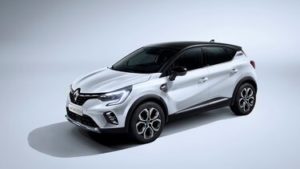 The Renault Captur is popular not only for its technology and performance, but also for its user-friendliness and comfort. The car is spacious and practical, with plenty of legroom in the front and rear. The boot is also very spacious at 432 litres, and can even be increased to 1,537 litres with the rear seats flat.
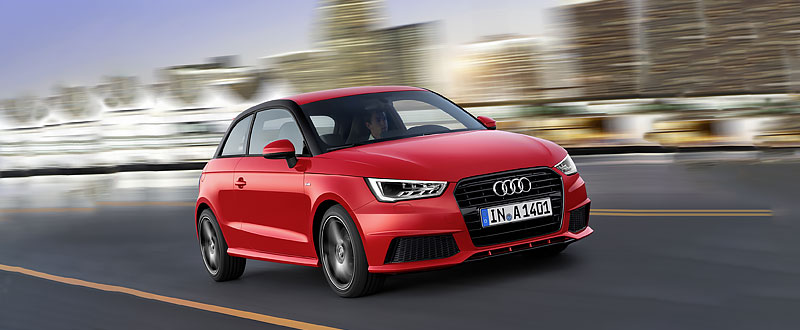
 Looking for more details about these commercial vehicles or need personal advice? Then get in touch with
  Also, the question, do you want a completely new car or a second-hand one? A new car offers longevity and warranty. It is worth it if you travel a lot. Also, new cars hold more value when you sell the car again.
 Over the years, Dacia built a strong reputation for providing simple, reliable and affordable vehicles. The brand was particularly popular in emerging markets and gradually spread to other parts of Europe. In 1999, Dacia was acquired by the Renault Group, leading to further development and expansion of the brand.
 Italy has a rich racing history and legacy dating back to the early days of motorsport. Brands such as Ferrari, Lamborghini, Maserati and Alfa Romeo all have an impressive track record in the world of motorsport. Born out of a passion for competition, these sports cars have integrated technologies and innovations from racing. Driving an Italian sports car means being part of a legendary tradition and participating in carrying on a glorious legacy.
 The Tesla Model 3 was introduced to the public in late 2016 and went into mass production from July 2017. However, the market launch in Europe did not take place until several years later, in February 2019 to be precise. This had the advantage that most of the teething problems had already been fixed.


 EN
EN  NL
NL  DE
DE