The Mercedes-Benz W211 is a popular choice for lovers of luxury and performance. But before you buy this car, it is important to pay attention to a few things. From electronic problems to rust-prone parts, here are the main points to consider when buying a W211.
Key Considerations
Always check the SBC pump and brake system, as they can be expensive to repair.
Rust can be a problem, especially at the rear wishbones, doors and wheel arches.
Make sure the automatic transmission shifts smoothly and that there are no oil leaks.
Test all electronic systems, such as seat adjustment, air conditioning and windows, to make sure they work properly.
Review the maintenance history thoroughly and prefer cars with regular dealer maintenance and software updates.
Common Electronics Problems
SBC Pump and Brake System
One of the most common problems on the Mercedes-Benz W211 is the SBC pump. This pump is essential to the braking system, but can fail over time. A faulty SBC pump can lead to reduced braking force, which is obviously dangerous. It is important to check whether this pump has been replaced or overhauled recently.
Problems with the wiring harness
In some W211 models, oil can leak into the wiring harness, leading to all kinds of electrical faults. This problem is particularly common in E200 models. Oil in the wiring harness may end up damaging the engine computer, leading to expensive repairs. Look out for strange engine malfunction lights on the dashboard.
Comand system malfunctions
The Comand system, which is responsible for navigation and entertainment, can also malfunction. This can range from a jammed screen to complete system failure. During a test drive, check that all functions of the Comand system are working properly. A well-functioning system is crucial for the comfort and functionality of the car.
It is always wise to have a comprehensive diagnosis carried out at a dealer or specialist to detect hidden electronic problems.
Rust-sensitive parts
Rear wishbones
The W211's rear wishbones are notoriously rusty. Especially in cars that drive a lot in wet or salty conditions, these parts can corrode quickly. Regular inspection is therefore essential to avoid bigger problems.
Doors and wheel arches
Doors and wheel arches are other places where rust is common. Pay close attention to the edges of the doors and wheel arches, especially on the inside. A small rust spot can spread quickly if not addressed in time.
Undercarriage and base plate
The undercarriage and base plate are also prone to rust, especially in older models. Check these parts thoroughly during a purchase inspection. Rust on the undercarriage can affect the structural integrity of the car, which can be dangerous. Preventive maintenance can save a lot of misery here.
It is always a good idea to have a car with a known rust history checked extra carefully by a specialist. This can save you a lot of money and worry in the long run.
Engine and Transmission Vulnerabilities
Compressor and magnetic coupling
The W211's compressor and magnetic clutch can cause problems over time. A common problem is wear on the magnetic clutch, which can lead to power loss. It is important to listen for unusual noises while driving, such as squeaking or rattling, which could indicate a problem with the compressor.
Automatic Transmission Problems
The W211's automatic transmission can also be vulnerable. A known problem is that the selector lever sometimes won't move out of the park position. This may be due to an insufficient battery voltage. In addition, the transmission may shift worse when the engine is cold. It is recommended to change the transmission oil every 60,000 km to avoid problems.
Oil leaks and wear
Oil leaks are another common problem with the W211. These can occur at the valve cover gasket or the oil cooler. Oil leaks can lead to serious engine damage if not remedied in time. Regular checking of oil levels and timely replacement of gaskets can prevent many problems.
Note: It is essential to pay close attention to the condition of the engine and transmission when buying a W211. Problems with these parts can be expensive to repair.
Interior and Comfort Systems
Seat adjustment and heating
The seat adjustment and heating in the Mercedes-Benz W211 can sometimes cause problems. It is important to check that all functions are working properly. Electric chairs may get stuck or not respond properly, which can be an expensive repair.
Air conditioning and climate control
Air conditioning and climate control are essential for a comfortable ride. Pay attention to whether the A/C is cooling properly and whether the fans are not making strange noises. A malfunctioning air conditioner may indicate a leak in the system or a faulty compressor.
Electric windows and mirrors
Electric windows and mirrors are useful features, but they can also malfunction. Test all windows and mirrors to see if they move smoothly. Cracking or non-working windows are a common problem in older models.
It is always a good idea to thoroughly test all comfort systems during the test drive. This can save you a lot of future problems and costs.
Maintenance and service history
Regular Software Updates
It is important to ensure regular software updates. These updates can help improve the car's performance and fix any bugs. Remember to check with the dealer if all updates have been done.
Importance of Dealer Maintenance
Dealer maintenance is crucial for the life of your Mercedes-Benz W211. Dealers have the right knowledge and equipment to keep your car in top condition. Moreover, dealer maintenance can increase the value of your car when it is resold.
Verification of Maintenance Documents
When buying a used W211, it is essential to check the service documents. These documents provide insight into the maintenance history and can reveal any problems. Pay particular attention to regular oil and filter changes, and check if any major repairs have been carried out.
Points to note on the test drive
Listening to Unusual Sounds
During the test drive, it is important to listen carefully for unusual sounds. Rattling or squeaking sounds may indicate problems with the suspension or engine. Take time to drive on different types of roads to get a good idea of the car's condition.
Checking the brakes
Test the brakes thoroughly. Brake firmly a few times to see if the car stays straight and that there are no vibrations. A spongy brake could indicate air in the brake system or worn brake pads. Don't forget to test the handbrake as well.
Testing the electronics
Check all electronic systems in the car. This includes air conditioning, electric windows, mirrors, and the Comand system. Faults in these systems can be expensive to repair, so make sure everything is working properly.
A thorough test drive can reveal many hidden defects. Take your time and don't be afraid to be critical.
Cost of parts and repairs
Price of original spare parts
Original parts for the Mercedes-Benz W211 can be quite pricey. For example, a new SBC pump can easily cost €1,500. It is important to note that original parts are often more expensive, but they offer the best quality and fit your car perfectly.
Availability of Aftermarket Parts
Aftermarket parts are often cheaper and easier to find. They can be a good option if you want to save on costs. Please note That quality can vary. It is wise to read reviews and choose reputable brands.
Cost of Labour and Service
The labour costs for repairs to a Mercedes-Benz W211 can also be considerable. A simple oil change can quickly cost €100, while more complex repairs such as timing chain replacement can be much more expensive. Here is a short list of common repairs and their estimated costs:
Oil change: €100
Replacing brake discs: €300
Replace timing chain: €1,200
It is always a good idea to ask for a quote before agreeing to a repair. That way, you won't face any surprises.
The cost of parts and repairs can be considerable. It is therefore important to be well prepared. On our website, you will find useful tips and advice to avoid unexpected expenses. Visit our site and find out how to save on car expenses.
A Vehicle Identification Number (VIN), known in Dutch as Voertuigidentificatienummer (VIN), is a unique 17-digit code assigned to each vehicle. This code acts as the vehicle's fingerprint and contains essential information about the vehicle, including the manufacturer, model, model year and much more. In this article, we will elaborate on the meaning, structure and application of VIN decoders.
What is a VIN?
A VIN, or Vehicle Identification Number, is a unique 17-digit code that has identified every vehicle worldwide since 1981. This code contains a wealth of information about the vehicle and is divided into three main sections: the World Manufacturer Identifier (WMI), the Vehicle Descriptor Section (VDS) and the Vehicle Identifier Section (VIS).
The structure of a VIN
WMI (World Manufacturer Identifier): The first three characters identify the manufacturer and country of origin of the vehicle. For example, "W" stands for Germany, "1" or "4" for the US and "J" for Japan.
VDS (Vehicle Descriptor Section): The following six characters describe the vehicle model, body type, engine type and other technical details.
VIS (Vehicle Identifier Section): The last eight characters contain information such as the model year, production location and a unique serial number of the vehicle.
Explanation of a VIN code using an example
Let's look at an example of a VIN code: WBA3A5C50EJ123456. This code can be deciphered as follows:
WBA:
W: This represents the World Manufacturer Identifier, in this case BMW.
B: This is the Vehicle Descriptor Section, which gives more information about the vehicle model. In this case, "B" stands for a 3-series.
A: This is a further specification of the model. In this case, "A" stands for a 320i.
3A5C50EJ123456:
3: This indicates the body type. In this case, "3" stands for a sedan.
A: This indicates the engine type. In this case, "A" stands for a 2.0L petrol engine.
5: This is a check digit used to verify the accuracy of the VIN.
C: This indicates the model year.
5: This indicates the production facility.
0: This is a placeholder sometimes used in VIN codes.
E: This further specifies the model year.
J: This is a placeholder sometimes used in VIN codes.
123456: This is the unique serial number of the vehicle.
Importance of understanding the VIN code
The VIN code contains valuable information about your vehicle. By understanding the code, you can:
Vehicle registration and insurance: Authorities and insurance companies use the VIN to identify the vehicle.
Vehicle history: A VIN can be used to check the history of a vehicle, including previous owners, accidents, maintenance and possible thefts.
Authenticity and fraud protection: By verifying the VIN, buyers can ensure that the vehicle is authentic and has not been stolen or tampered with.
VIN decoder: operation and benefits
A VIN decoder is a tool that allows you to decipher a vehicle's VIN (Vehicle Identification Number) code and obtain detailed information about the vehicle. These tools are available online and can be provided for free or for a fee. They provide comprehensive data that can be useful when making purchase decisions and evaluating a vehicle.
Advantages of using a VIN decoder
Transparency and security: A VIN decoder provides insight into a vehicle's full history, including accidents, repairs and servicing. This can help buyers make informed decisions and avoid potential problems.
Authenticity check: By comparing the VIN with the physical details of the vehicle, manipulations or forgeries can be detected. This is particularly important when buying a used car or importing a vehicle from abroad.
Valuation: Information about the condition and history of a vehicle helps determine its true market value. This can be useful for both buyers and sellers.
Imports and exports:The VIN is important when importing vehicles to ensure the vehicle complies with local regulations.
Performing a VIN check: a simple online job
Performing a VIN check is easy and can be done online in a few steps:
Find the VIN: The VIN is usually located in various places on the vehicle, such as: The dashboard (usually on the driver's side), The door post (usually on the driver's side), Under the bonnet.You will also find the VIN in the vehicle papers, such as: the registration certificate or insurance certificate.
Use an online VIN decoder: Er are many reliable online VIN decoders that can give you detailed information about your vehicle. Two reputable providers are: VIN Mentor and Global VIN Decoder
Analyse the report: The report contains detailed information about the vehicle, including the vehicle description, history and any anomalies.
Frequently asked questions about VIN decoders
How accurate are VIN decoder tools? The accuracy of a VIN decoder tool depends on the quality and timeliness of the databases it accesses. It is important to use a reliable and well-reviewed tool to obtain accurate information.
Can I use a VIN decoder for every vehicle? Yes, VIN decoders can be used for any vehicle with a 17-digit VIN. This includes cars, trucks, motorbikes and even some trailers. Older vehicles or vehicles from certain regions may have a different VIN format that cannot be decoded by a VIN decoder.
What information can I obtain by decoding a VIN? Decoding a VIN provides comprehensive information such as country of manufacture, vehicle type, model year, production location, previous owner, accident and repair history, as well as specific vehicle details such as engine and transmission type.
Why is the VIN important in the Netherlands? In the Netherlands, the VIN plays an important role in verifying vehicle history and compliance with local regulations. This is especially important when buying used or imported vehicles to ensure the vehicle meets Dutch standards and has no hidden defects.
The importance of VIN decoders for informed decisions
A VIN decoder is an essential tool for anyone looking to buy, sell or simply learn more about their own vehicle. The ability to decode the VIN and understand the associated information helps make informed decisions and prevent fraud. Use the available online tools to ensure complete transparency and security in all vehicle transactions. By decoding your vehicle's VIN, you can ensure you have all the information you need to make smart and safe decisions. Use VIN decoding tools wisely and enjoy the benefits they offer.
When choosing tyres for your vehicle, it is crucial to understand the difference between radial and diagonal tyres. Both types serve the same purpose: to support the vehicle and provide traction, but their construction and performance characteristics differ...
Radial tyres
Radial tyres have layers (layers of rubber-coated cords) that run radially across the tyre. This construction allows the sidewall and tread to function independently, resulting in flexibility and better road contact.
Advantages
Longer life: Due to their flexible construction and even wear distribution, radial tyres tend to last longer than diagonal tyres.
Improved fuel efficiency: Lower rolling resistance leads to lower fuel consumption.
Improved handling and stability: Radial tyres offer superior grip, cornering stability and overall handling, especially at higher speeds.
Cooler running temperatures: The flexible sidewalls generate less heat, reducing the risk of tyre failure due to overheating.
Diagonal bands
Diagonal tyres have layers that run diagonally across the tyre, criss-crossing each other. This construction makes them stiffer and less flexible than radial tyres.
Shorter tread life: Stiffer sidewalls lead to uneven wear patterns and faster tread wear, requiring more frequent replacement.
Lower fuel efficiency: Higher rolling resistance leads to lower fuel consumption.
Less handling and stability: Diagonal tyres offer less grip and stability than radial tyres, especially at higher speeds and when cornering.
Higher running temperatures: The stiff sidewalls generate more heat, increasing the risk of tyre damage and possible blowouts.
For most modern vehicles, radial tyres are preferred because of their safety and longevity. They offer a smoother ride, better fuel efficiency and better handling in various road conditions. However, diagonal tyres may be suitable for certain applications, such as:
Vintage or classic cars: Some older vehicles require diagonal tyres to maintain their original specifications and aesthetics.
Heavy-duty applications: Certain agricultural vehicles can benefit from the extra strength and puncture resistance of diagonal tyres.
A flat tyre can happen anytime and anywhere. But don't worry! A tyre repair kit can be a lifesaver in such situations. These kits are easy to use and will help you get back on the road quickly and safely.
Tyre maintenance tips:
Check tyre pressure regularly and adjust if necessary.
Check the tyres for signs of damage, such as cuts, punctures, bumps and tears.
Rotate tyres regularly for even tread wear.
Have your wheel alignment checked regularly.
Store tyres properly when not in use, away from sunlight and extreme temperatures.
What do you need to repair your tyres?
Tyre repair kit: This usually consists of a rasp tool, insertion tool, repair plugs, rubber cement and an air compressor or CO2 cartridges.
Work gloves: To protect your hands from dirt and debris.
Always consult your car's owner's manual for the manufacturer's recommendations regarding tyre type and size.
By understanding the different tyre types and common failures and maintaining tyres properly, you can ensure that your car's tyres perform optimally, are safe and last a long time.
A properly functioning particulate filter is crucial for the performance and longevity of your car. It is therefore important to know how to keep a particulate filter clean, the consequences of a clogged filter, how often to clean it and how to clean a dirty...
In this article, we will explain all this to you so that you can enjoy your vehicle carefree.
The importance of cleaning your particulate filter
A particulate filter has an important role in your car, as it reduces harmful exhaust emissions. It filters soot particles from the exhaust fumes of diesel engines. A blockage of this filter can cause several problems:
Reduced performance: A clogged filter reduces the flow of exhaust gases, which will reduce the performance of the engine.
Higher fuel consumption: If the filter is clogged, the engine has to work harder to achieve the same performance. A clog can therefore lead to higher fuel consumption.
Engine failures: Driving for too long with a clogged filter can cause problems to the engine, which in turn can lead to expensive repairs.
So a good and clean particulate filter is very important. But when should you clean your particulate filter?
When to clean your particulate filter
So there are a lot of problems that can be caused by a clogged or dirty particulate filter. So it is important to clean it regularly. How and what varies per car, of course, but there are guidelines for this:
Every 15,000 to 30,000 kilometres. It depends on your driving style and the manufacturer.
With reduced engine performance. As soon as you notice your engine's performance declining, it could be a sign of a clogged particulate filter.
Indicator light. This sounds logical, but if the indicator light for the particulate filter is on, it is time to clean the filter.
In addition, there are other indications that the particulate filter needs cleaning. These include reduced acceleration and black or grey smoke coming out of the exhaust.
As soon as you experience any of these, you would be wise to take immediate action. But how do I clean my particulate filter?
The best way to clean your particulate filter
There are products on the market that make it easy to clean a particulate filter. At Dutch Performance Products they offer various solutions to clean your particulate filter. These products are specially designed to effectively remove soot and other junk.
This will make your vehicle last longer and continue to perform top notch. Check out the options on the Dutch Performance Products website.
Conclusion
Cleaning a particulate filter is therefore very important to keep your vehicle performing optimally. There are several signs that you can recognise a clogged particulate filter. Think your particulate filter is clogged? Be on time to avoid expensive repairs.
You see them driving a lot, the Renault Captur. And not entirely without reason! Are you looking for a beautiful, reliable and affordable SUV? Then the Renault Captur is an excellent choice. The Captur is spacious, comfortable, economical and equipped with all modern conveniences. And thanks to the wide range of used cars on offer, there is a Renault Captur Occasion find.
Renault Captur, what do users say?
Some people refuse to compromise on style and equipment when choosing a practical family car - and those are the kind of people who will be seduced by the Captur. Safe, stylish, feature-rich and fun to drive: the Renault Captur has it.
The Renault Captur is popular not only for its technology and performance, but also for its user-friendliness and comfort. The car is spacious and practical, with plenty of legroom in the front and rear. The boot is also very spacious at 432 litres, and can even be increased to 1,537 litres with the rear seats flat.
The Captur is also equipped with several handy features, including a touchscreen multimedia system, climate control and cruise control. And thanks to the high seating position, you have an excellent view of the road. Users of the Captur are very satisfied with the car. They especially appreciate its comfort, space, economy and reliability.
Technology and Performance
The Renault Captur is available with various petrol engines, diesel engines and as a plug-in hybrid variant. Petrol engines range from 95 hp to 155 hp, and diesel engines from 95 hp to 115 hp. The plug-in hybrid Captur has an output of 160 hp and can travel up to 50 kilometres fully electric.
Regardless of the engine you choose, the Captur always drives comfortably and smoothly. The steering is light and direct, and the suspension is well-tuned. The Captur is also surprisingly economical, with average consumption of 5.0 litres per 100 kilometres for petrol engines and 3.8 litres per 100 kilometres for diesel engines.
Versions
The Renault Captur is available in several trims, named Life, Zen and Intens. The Life version is the base model and is already equipped with several useful features, such as air conditioning, cruise control and Bluetooth. The Zen version comes with extra luxuries, such as alloy wheels, climate control and parking sensors. The Intens version is the most complete and comes with every conceivable luxury, such as leather upholstery, a panoramic roof and a Bose audio system.
Captur Occasions
Are you looking for a Renault Captur used car? Then you have a wide choice. You can find used cars with various engine sizes, versions and mileages. The prices of used cars range from around €10,000 for a model with high mileage, to over €30,000 for a newer Captur with low mileage.
When buying a Renault Captur occasion, it is important to pay close attention to the mileage, service history and condition of the car. It is also a good idea to have the car inspected by an independent party. Either way, this Renault is an excellent choice for anyone looking for a compact SUV with great character. The car is spacious, comfortable, economical, reliable and equipped with all modern conveniences. And thanks to the wide range of used cars on offer, you can find a Captur for every budget.

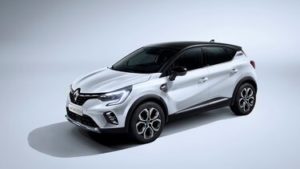 The Renault Captur is popular not only for its technology and performance, but also for its user-friendliness and comfort. The car is spacious and practical, with plenty of legroom in the front and rear. The boot is also very spacious at 432 litres, and can even be increased to 1,537 litres with the rear seats flat.
 EN
EN  NL
NL  DE
DE