May 29, 2023 | Mounting, Tuning |
A turbocharger, or simply turbo (the slug), is a device that increases the power output of an internal combustion engine by forcing more air into the combustion chamber. This results in more fuel being burned and more power being produced.
A turbo works by using the engine's exhaust gases to turn a turbine, which in turn drives a compressor. The compressor then draws in more air, compresses it and sends it to the engine. This compressed air allows the engine to burn more fuel and produce more power.
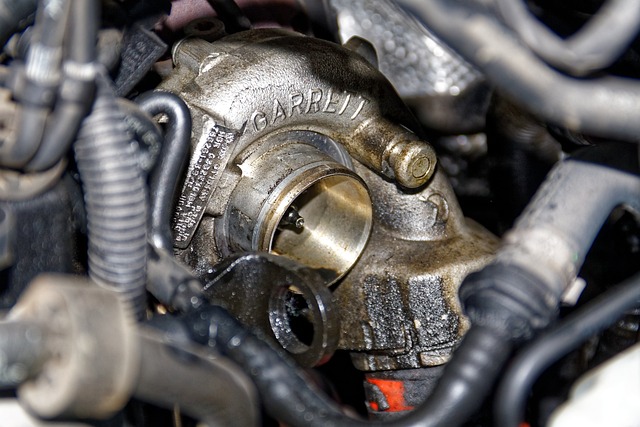
What does a turbo-hole mean?
One of the drawbacks of a turbocharger is something called "turbo lag". Turbo lag refers to the delay between when you press the throttle and when the turbocharger starts producing boost.
This delay can be frustrating for drivers, especially in situations where fast acceleration is needed, such as joining a motorway or overtaking another vehicle.
Turbo lag is caused by the time it takes for the exhaust gases to spin the turbine and the compressor to start producing boost. This delay can be reduced by using a smaller turbocharger or by using multiple turbochargers (Think of the BMW 335i e90 models), but it cannot be completely eliminated.
Some manufacturers have developed technologies to reduce turbo lag, such as variable geometry turbochargers and electric turbochargers. These technologies help improve throttle response and reduce lag, but they can also add complexity and cost to the engine.
In short, a turbo lag refers to the delay between depressing the throttle and when the turbocharger starts producing boost. This delay can be frustrating for drivers, but it is a compromise for the increased power and performance that a turbocharger offers. Manufacturers have developed technologies to reduce turbo lag, but it cannot be completely eliminated.
Which Cars Have a Turbo?
Turbochargers are often found in high-performance vehicles, but they are also becoming increasingly common in everyday cars. Many manufacturers now offer turbocharged versions of their popular models. Some examples include the Ford Mustang EcoBoost, the Subaru WRX and the Volkswagen Golf GTI, but also in a Fiat 500, for example.
What Are the Symptoms of a Defective Turbo?
Like any mechanical device, turbochargers can fail over time. Some common symptoms of a faulty turbocharger include a loss of power, excessive smoke from the exhaust and a squeaking or grinding noise from the engine. If you suspect turbocharger failure, it is important to have it inspected by a qualified mechanic as soon as possible to prevent further damage.
What Are the Costs of a Turbo Overhaul?
The cost of a turbo rebuild can vary depending on the make and model of your car, as well as the extent of damage to the turbo. In some cases, a simple repair or cleaning may be all that is needed to get the turbo back up and running. In severe cases, however, a complete replacement may be necessary.
On average, the cost of a turbo overhaul can range from several hundred euros to several thousand euros. It is important to work with a reliable mechanic or turbo specialist to ensure you pay a fair price for the work to be done. Also, always request a quote before getting started. This will prevent unexpected costs.
May 26, 2023 | Buying advice, Various |
In 2000, we waved goodbye to the Volvo S70 and welcomed the Volvo S60 Gen 1. This model came up with a lot of innovations and advantages over its predecessor. The design of the S60 Gen 1 was fresh and modern, with a more refined interior. The model also had all kinds of new safety features, such as a better braking system, side airbags, and a system to protect you from whiplash. Overall, the S60 Gen 1 received high praise from users and experts alike, mainly because of how nice it drives, its comfort and safety. But there were some people who felt that the car was rather gas-guzzling compared to other cars in the same class. Such as the BMW 3 series e90/91. Those were much more economical.

S60 Gen 1 Facelift from 2005 onwards
In 2005, the S60 Gen 1 got a refresh, with a new front end, some modifications to the rear, and an update to the interior. This model was produced from 2000 to 2009. This includes the engines that were available for the S60 Gen 1:
- 2.0T: 163 hp, 230 Nm torque, 1984 cc
- 2.0T: 180 hp, 240 Nm of torque, 1984 cc
- 2.4: 140 hp, 220 Nm torque, 2435 cc
- 2.4T: 200 hp, 300 Nm of torque, 2435 cc
- 2.4D: 163 hp, 340 Nm torque, 2401 cc
- D5: 163 hp, 340 Nm torque, 2401 cc
- D5: 185 hp, 400 Nm of torque, 2401 cc
There have been some known problems with the S60 Gen 1's engines, from oil leaks to turbo issues. There have also been general trouble spots, such as electrical problems, suspension problems, brake problems and transmission problems.
Below are the specific problems per engine
For the different engine options of the S60 Gen 1, there are specific problems that can occur:
- 2.0T: In this engine, oil leaks often occur at the camshaft seals and the turbocharger oil supply line. Further, the engine can sometimes falter and idle erratically due to faulty ignition coils and spark plugs.
- 2.4: This engine may develop oil leaks at the front crankshaft seal and oil pan gasket. It may also have problems with the PCV system, causing excessive oil consumption and irregular idling.
- 2.4T: The turbocharger of this engine may malfunction, leading to power loss and excessive smoke from the exhaust. As with the 2.0T, oil leaks may also occur at the camshaft seals and the turbocharger's oil supply line.
- 2.4D/D5: The S60 Gen 1's diesel engines can experience problems with the fuel injectors, which can cause hiccups and loss of power. There can also be problems with the EGR valve and turbocharger, which can cause power loss and too much smoke from the exhaust.
What to look out for when buying a Volvo S60?
If you have your eye on an S60 Gen 1, there are a few things to consider. Check the car carefully for signs of wear and tear, such as scratches, dents and rust. Take a test drive to feel how the car drives, and listen carefully if you feel any strange noises or vibrations. Check the engine for leaks and strange smells, take a good lamp with you to detect any leaks. Check that the oil has been changed on time and the timing belt replaced according to the manufacturer's recommendations. Check the brakes, suspension and tyres for wear and whether all electronics are working. It is also smart to check the history of the car, whether any recalls are outstanding, for example. Negotiate the price well and put everything in writing before you buy the car. Following these tips will help you make a good decision when buying a Volvo S60. You can download our checklist for free.
May 25, 2023 | Buying advice, Various |
The Mercedes E-Class W212 is a luxury sedan and estate that belongs to the higher-end cars. The car was produced from 2009 to 2016 and was available in several engine variants, both petrol and diesel. The new prices of the Mercedes E-Class W212 varied depending on the engine and version chosen, but were between €50,000 and €150,000 in the Netherlands. The car is known for its luxurious appearance, comfortable driving experience and excellent safety features.

Engine variants
The Mercedes E-Class W212 is available in several engine variants, both petrol and diesel. The diesel variants range from 2.1 CDI to 3.0 CDI. Petrol variants range from 1.8 CGI to 5.5 AMG. A total of nine different engine variants are available.
Fuel consumption
The fuel consumption of the Mercedes E-Class W212 varies depending on the chosen engine and driving style. The 2.1 CDI has an average fuel consumption of 5.3 litres per 100 km, while the 5.5 AMG has an average fuel consumption of 12.2 litres per 100 km.
Safety score
The Mercedes E-Class W212 has a safety score of 5 stars according to NCAP. The car has excellent safety equipment, including airbags, ABS, electronic stability control and brake assist. Here is the link to the page: https://www.euroncap.com/nl/results/mercedes-benz/e-class/40875
Common problems
Common problems with the Mercedes E-Class W212 include problems with the air conditioning, problems with the automatic gearbox and problems with the electronics. Rust can also occur in older models and there can be oil consumption problems in some engine variants.
Competitors
Competitors of the Mercedes E-Class W212 in the same price segment are the BMW 5-series and the Audi A6. Both cars offer similar performance and luxury.
Conclusion
The Mercedes E-Class W212 is a luxury car with several engine variants and a good safety rating. Common problems can be prevented by regular maintenance. Competitors in the same price segment are the BMW 5-series and the Audi A6.
Advantages:
- Luxurious and comfortable car
- Different engine variants available
- Good safety score
Disadvantages:
- Possible problems with air conditioning, automatic transmission and electronics
- Higher fuel consumption on some engine variants
May 24, 2023 | Buying advice, Various |
If you are looking for a luxury car with plenty of space and comfort, the Audi A6 C6 is a good choice. The A6 C6 was produced between 2004 and 2011 and is available in several engine variants, both petrol and diesel. In this buying advice, we discuss the different variants, fuel consumption, the safety score according to NCAP, common problems and competitors with similar prices.

Engine variants
The Audi A6 C6 is available in several engine variants, ranging from 2.0 TFSI to 5.2 FSI. Diesel variants range from 2.0 TDI to 3.0 TDI. The 2.0 TFSI and 2.0 TDI are the most popular variants and are available in both sedan and Avant versions.
Fuel consumption
The fuel consumption of the Audi A6 C6 varies depending on the engine chosen and driving style. The 2.0 TFSI has an average fuel consumption of 8.5 litres per 100 km, while the 2.0 TDI has an average fuel consumption of 6.5 litres per 100 km. The 3.0 TDI has an average fuel consumption of 7.5 litres per 100 km.
Problems by engine variant
Below is the complete list of common problems by engine variant of the Audi A6 C6:
2.0 TFSI
- Oil pump problems
- Distribution chain problems
- Problems with the ignition coils
- Problems with the turbo
2.0 TDI
- Problems with the EGR valve
- Problems with the turbo
- Distribution chain problems
- Fuel pump problems
2.4 FSI
- Distribution chain problems
- Camshaft adjuster problems
- Problems with the EGR valve
2.7 TDI
- Problems with the turbo
- Problems with the EGR valve
- Air intake problems
3.0 TDI
- Problems with the EGR valve
- Problems with the turbo
- Camshaft adjuster problems
- Distribution chain problems
3.2 FSI
- Distribution chain problems
- Oil pump problems
- Camshaft adjuster problems
It is important to remember that these are only common problems and not all cars will suffer from them. It is also important to carry out regular maintenance to prevent or correct these problems in time. And see maintenance bills at the time of purchase. Booklets are nice but not hard proof of maintenance done.
Safety score
The Audi A6 C6 has a safety score of 5 stars according to NCAP. The car has excellent safety equipment, including airbags, ABS, electronic stability control and brake assist.
Common problems
A common problem with the Audi A6 C6 is problems with the multitronic automatic transmission. The clutch can also wear out over time and there are problems with the electronics.
Competitors
The Audi A6 C6 has competitors in the same price segment, such as the BMW 5-series and the Mercedes-Benz E-Class. Both cars offer similar performance and luxury, but the Audi A6 C6 has a better safety score and is generally more reliable.
Conclusion
The Audi A6 C6 is a good choice if you are looking for a luxury car with plenty of space and comfort. The car is available in several engine variants and has a good safety rating. Common problems can be prevented by regular maintenance. Competitors in the same price segment are the BMW 5-series and the Mercedes-Benz E-Class, but the Audi A6 C6 has a better safety score and is generally more reliable.
Advantages:
- Luxurious and comfortable car
- Available in different engine variants
- Good safety score
Disadvantages:
- Multitronic automatic transmission can cause problems
- Electronics problems can occur
- Fuel consumption is not the most efficient in its class.
May 18, 2023 | Electronics |
As the owner of a business that depends on transport, it is essential to know the location of your vehicles and keep accurate mileage records. This is where Track and Trace systems for cars come into the picture. With the latest technologies, these systems can not only help track the location of vehicles, but also keep track of mileage records, monitor driving behaviour and improve safety.
In this article, we will talk about what track and trace systems are, what you can do with them and why it is a smart investment for your business.
What is a Track and Trace system for cars?
A car track and trace system is a GPS-based system used to track the location of vehicles in real-time. The system works by using GPS satellites and mobile networks to determine the location of the vehicle and send this information back to a central server. This allows you to track the location of your vehicle(s) in real-time and keep track of mileage records.
What can you do with a Track and Trace system?
With a car track and trace system, you can do several things, such as:
Location determination
 One of the most important features of a car track and trace system is the ability to track the location of your vehicles in real-time. This allows you to see where your vehicles are and whether they are in the right location. This is especially useful if you work with deliveries or if you have multiple vehicles that all need to be at different locations.
Mileage registration
With a track and trace system for cars, you can also check the mileage registration tracking. This is an important feature if you want to know how much your vehicles have driven and how many kilometres were covered for each trip. This is especially useful if you manage the fleet and want to track fuel consumption and maintenance costs.
Monitoring driving behaviour
A car track and trace system can also be used to monitor drivers' driving behaviour. For example, the system can track the speed of the vehicle, whether the vehicle brakes or accelerates abruptly and whether the driver is obeying traffic rules. This allows you to see if your drivers are driving safely and address any driving behaviour issues.
Improving safety
With a car track and trace system, you can improve vehicle and driver safety. For example, the system can be used to track speed limits and alert you when a driver is speeding. It can also help reduce vehicle theft and increase the chances of recovering a stolen vehicle.
Why buy a Track and Trace system?
A track and trace system for cars is a smart investment for any business that relies on transport. Below are some reasons why buying a track and trace system is a good decision:
Cost savings
With a car track and trace system, you can reduce your fleet costs by monitoring fuel consumption and reducing unnecessary driving. You can also reduce maintenance costs by proactively scheduling maintenance based on mileage.
Efficiency improvement
With a car track and trace system, you can improve fleet efficiency. You can plan optimal routes for the vehicles and reduce drivers' travel times, allowing you to complete more tasks in the same day. This can also contribute to customer satisfaction, as you can respond faster to their requests.
Improved safety
A car track and trace system can help improve the safety of your fleet. For example, you can see if your drivers are driving safely and take immediate action if an accident occurs. The system can also be used to improve the safety of your vehicles by preventing theft and recovering stolen vehicles faster.
Complying with tax legislation
If you have a business that depends on transport, you need to comply with tax laws for mileage tracking. With a car track and trace system, you can keep track of mileage records automatically and ensure you comply with tax laws.
Conclusion
A car track and trace system is a powerful tool for any business that relies on transport. It allows you to track the location of your vehicles, keep track of mileage, monitor driving behaviour and improve safety. It can also help you reduce costs, improve efficiency and comply with tax laws. In short, a car track and trace system is a smart investment that can quickly pay for itself.

 EN
EN  NL
NL  DE
DE