May 15, 2023 | Buying advice |
In the world of cars, there are always some models that capture the hearts of consumers and stand out from the competition. In 2022, the Toyota RAV4 was one such car. With its impressive sales figures, the RAV4 captured the title of the world's best-selling car of the year. Toyota is 1 of the most sought-after brands worldwide anyway, appearing in the 2022 top 10 no less than five times.
 In this blog article, we take a closer look at the popularity and reasons behind the success of this acclaimed Toyota SUV.
Why is the Toyota RAV4 such a success in the rest of the world?
- A global icon: The Toyota RAV4 has become a global icon since the introduction of the first model in 1994. It was one of the pioneers in the compact SUV segment and has experienced tremendous growth ever since. With each generation, the RAV4 has gained innovative features and stylish updates, keeping it appealing to car enthusiasts around the world.
- Industry-leading sales figures: In 2022, the Toyota RAV4 achieved unprecedented sales results. With more than [specific number of] units sold, it surpassed all other cars on the market and earned the title of the world's best-selling car of the year. This success is due to the RAV4's broad appeal, which appeals to families and adventurous individuals alike.
- Versatility and reliability: One of the main reasons behind the Toyota RAV4's popularity is its versatility. With a spacious interior, flexible seating configuration and generous luggage space, the RAV4 is perfect for everyday life and weekend adventures. Moreover, Toyota is known for its reliable vehicles, and the RAV4 is no exception. Buyers are confident in the RAV4's durability and quality, making it an obvious choice for many consumers.
- Advanced technology and safety features: The Toyota RAV4 is packed with advanced technology and safety features. With features such as adaptive cruise control, lane keeping assist, automatic emergency braking and an intuitive infotainment system, the RAV4 offers a comfortable and safe driving experience. These technological features have contributed to the RAV4's appeal to modern car buyers who value both comfort and safety.
- Sustainability and environmental friendliness: Another factor that has contributed to the Toyota RAV4's success is its focus on sustainability and environmental friendliness. The RAV4 is available as a hybrid model, making it a
Why are sales in the Netherlands lagging behind?
Although the Toyota RAV4 is a very popular car in the rest of the world, it is indeed sold relatively little in the Netherlands. There are several reasons why this is the case:
- Taxes: In the Netherlands, purchase tax (BPM) and road tax depend heavily on a car's CO2 emissions. However, the Toyota RAV4 has relatively high CO2 emissions compared to other SUVs, making it more expensive to buy and operate than similar models with lower emissions.
- Competition: The SUV market in the Netherlands is very competitive, with many choices for consumers. There are many alternative SUVs on the Dutch market that offer similar features to the RAV4, such as the Volkswagen Tiguan, the Kia Sportage and the Nissan Qashqai.
- Preference for smaller cars: In the Netherlands, there has traditionally been a preference for smaller cars to suit the limited parking space and narrow streets in urban areas. However, the RAV4 is a larger SUV and so may be less suitable for Dutch roads.
- Limited availability: Toyota has chosen to sell only a limited number of examples of the RAV4 in the Netherlands, possibly because of the reasons above or because it is not the main market for the car.
What are users' experiences about the Toyota RAV4?
Overall, user experiences with the Toyota RAV4 are positive. Many owners praise the RAV4 for its reliability, space, comfort and performance. Here are some common positive aspects that are often mentioned:
- Reliability: Toyota is known for its reliable cars, and the RAV4 is no exception. Many owners report that the RAV4 has few problems and that they can trust the car to get them from A to B without any problems.
- Space and comfort: The RAV4 offers a spacious and comfortable interior, with ample head and legroom for both drivers and passengers. It is a suitable choice for families and people who need ample cargo space.
- Drivability: The RAV4 is often praised for its smooth and comfortable driving experience. It offers good handling and a comfortable ride, even on longer distances. Moreover, the RAV4's hybrid models are popular for their fuel efficiency and quiet electric drive.
Are there any known problems to report about the RAV4?
While the RAV4 has generally positive user experiences, there are also some known problems reported by some owners. It is important to note that not all of these problems apply to all examples of the RAV4, but it is good to keep them in mind when considering a purchase. Some of the possible problems that have been reported include:
- Fuel consumption: Some owners have complained of higher than expected fuel consumption, especially in older models. However, it is worth noting that hybrid variants of the RAV4 tend to be very efficient.
- Infotainment system: A number of owners have experienced problems with the infotainment system, such as slow response times, software bugs or compatibility issues with smartphones. However, Toyota has released software updates to address these issues.
It is always advisable to do thorough research and, if possible, take a test drive to get your own idea of the user experience with a specific model and to discuss any concerns with a local Toyota dealer.
Apr 19, 2023 | Buying advice |
Tractors are indispensable in the countryside and have been used in agriculture since the early 1900s. A vintage tractor is a classic vehicle often collected by enthusiasts.
In this text, we answer the following questions:
- When is a tractor officially an oldtimer tractor?
- What are well-known tractor oldtimer brands?
- Where to find vintage tractors?
- What should you look out for when buying a vintage tractor?
When is a tractor officially an oldtimer?
A tractor is generally considered a vintage car when it has reached an age of 25 years or older. However, this is not a strict rule and can vary depending on the country, region and insurer. Some insurance companies consider tractors as young as 20 years old as oldtimers, while others have a minimum age of 30.
 When assessing whether a tractor can be considered an oldtimer, not only its age is considered, but also the condition of the vehicle and the extent to which it has remained original. For example, a tractor that is in perfect condition and has low mileage may be considered oldtimer before a similar tractor that is in poor condition and has high mileage.
What are well-known tractor oldtimer brands?
There are many well-known brands of vintage tractors, all of which have a rich history in the development of agriculture. Some well-known brands include Massey Ferguson, Ford, Deutz, John Deere and International Harvester.
These brands have produced many different models over the decades, all of which have their own history. Many of these brands still have a strong following among collectors and vintage tractor enthusiasts, eager to preserve agricultural history.
Where to find vintage tractors?
There are several places where you can find vintage tractors. First of all, you can search online for vintage tractors on advertising platforms such as Online Classic World. There are also several forums for vintage tractor enthusiasts where you can search for tractors and exchange information with fellow enthusiasts.
Furthermore, you can also look for vintage tractors at fairs, shows and events. Here you can often also come into contact with other enthusiasts and learn about the history of tractors.
What should you look out for when buying a vintage tractor?
If you want to buy a vintage tractor, there are some things to look out for.
First of all, it is important to know the purpose of the purchase. Do you want to use the tractor or just display it? If you want to use the oldtimer, it should still be in good condition to safely participate in traffic. Therefore, check the brakes, tyres, engine and other important parts of the tractor.
It is also important to know what the tractor is worth. This can help you determine a fair price. It is wise to look carefully at the history of the tractor. This way, you can check whether it has been well maintained and whether any repairs or restorations have been carried out.
Apr 6, 2023 | Buying advice |
A monovolume car, every now and then this term comes up and it strikes me that far from everyone knows what this term means. So a good reason to highlight it in an article it seems to me!
Monovolume car
A car in which the entire interior (cabin and luggage compartment) forms one large space, so there is no separate luggage compartment. In the French-speaking world, this is also called monovolume or monospace. In practice, these are often minivans or MPVs. Examples include the Renault Espace, the Ford S-max, Volkswagen California, VW Multivan but smaller cars are also included, such as the Renault Twingo I or Toyota Aygo.
A monovolume car is ideal as a family car
Anyone with children knows that it is often a challenge to travel and get everything in the car. Volkswagen has created a variety of convenient, spacious and comfortable cars to make life easier as a parent. An MPV is ideally a family-friendly car with its spacious, wraparound cabin offering plenty of space. Several brands have MPVs that offer space for 4, 7 or 8 people depending on the type. The large side doors facilitate entry and exit. Moreover, there is always a boot or fifth door available to access the spacious boot.
But also useful as a travel car!
 Of course, the monovolume car is ideal not only for families but also for adventurers who want to travel the wide world. Just think of Volkswagen's legendary Transporter vans. Thanks to its classic round shapes by the large logo, headlights, entire exterior and many windows, it is a unique car known worldwide. The most famous variant is the T1, which was produced from 1950 to 1967. Later, the T2 was also released, which does differ from the classic Transporter T1 in appearance. Perfect for taking a trip in!
Volkswagen MPVs
Volkswagen is a well-known manufacturer of MPVs and are therefore frequently seen vehicles on Dutch roads. Think for example of the California, Caravelle, Multivan or Caddy. They are all reliable and spacious cars that are very popular with families, and for good reason. Curious about the current offer of the monovolume models from Volkswagen, check out the VW website for a complete overview!
Apr 6, 2023 | Buying advice |
The Opel Corsa celebrated its 40th anniversary in 2022, a real milestone for the big German car brand. When it was launched in 1982, the Opel Corsa caused a real revolution in the small car class. The Corsa is now in its sixth generation and the model is as popular as ever. Last year, the Corsa was one of the best-selling cars in several countries and the new electric Opel Corsa-e won several awards.
Opel Corsa, the beginning
To fully understand the Corsa's popularity since its debut in 1982, it is first necessary to look at another successful model: the Opel Kadett. Initially a small car about 3.8 metres long, conceived and designed for the general public, it first appeared on public roads in 1937. As time went on, the Kadett became bigger and more powerful, creating a demand for a smaller and more compact model. So it was high time for a new, truly small car - time for the Corsa. The Corsa rolled off the production line at the newly built car plant in Zaragoza for the first time in autumn 1982 and was an instant success right from the start. To date - 40 years after its launch - more than 14 million units have left the factory, most of them produced in Zaragoza and Eisenach.
 This success is due in no small part to the numerous technologies introduced in the various Corsa generations, which were previously only available in more expensive cars. These include safety and assistance systems such as ABS and airbags, as well as the front camera with distance indicator, traffic sign recognition and lane keep assist, and most recently the adaptive, glare-free Intelli-Lux LED® Matrix light. The best-selling small car, now in its sixth generation, demonstrates its ability to innovate again and again and be ready for the future. Since 2019, it is also completely emission-free for the first time: as the electric Opel Corsa-e. Which models preceded it?
Opel Corsa A 1983-1993
The Corsa A was a compact car with a length of just 3.62 metres. It had bold, flared wheel arches (reminiscent of a rally car) and an exceptionally low drag coefficient of 0.36 that was potentially record-breaking for its class. Chief designer Erhard Schnell had designed a sporty little car with sharp, sporty lines, meant to appeal especially to 'the gentleman of the house'. The highlight was the 100 hp Corsa GSi and the diesel engine also made its appearance. The range of two-door hatchbacks and sedans was expanded in 1985 with the addition of the popular five-door model. The Corsa A became an acclaimed bestseller with 3.1 million units built.
Opel Corsa B 1993-2000
Despite the success of the number 1 Corsa, it was decided in Rüsselsheim to position its successor as a real "darling for women". Vauxhall design legend Hideo Kodama went to work and created a much rounder, softer Corsa, with attractive 'saucer-eyed' headlights meant to give the car a cute look. The Corsa B was ten centimetres longer and much roomier inside than its predecessor. It also introduced higher safety standards in its segment, including ABS cadence brakes, side impact protection and front airbags. For special markets, Opel again offered a sedan in addition to the hatchback, as well as station wagon and pick-up variants. Petrol engines already had fuel injection technology and catalytic converters, while the GSi had 16 valves and the diesel engine was now turbocharged. The second Corsa was successful around the world, selling more than four million units.
Opel Corsa C 2000-2006
You shouldn't change a formula for success, and so Hideo Kodama was again asked to design the Corsa C. The look of this model deliberately focused on its successful predecessor. The Corsa grew again by ten centimetres to a total length of just under 3.84 metres and was given a wider stance with a longer wheelbase, greatly increasing interior space. For the first time, the bodywork was fully galvanised. Advanced four-valve ECOTEC petrol engines and new direct-injection turbo-diesel engines provided high power, low fuel consumption and the lowest emission values - all variants already met Euro 4 emission standards. The Corsa C also became a success, selling 2.5 million units.
Opel Corsa D 2006-2014
From now on, the three- and five-door versions will go their separate ways: like the original Corsa A, the three-door Corsa has unique, coupé-like styling aimed at sporty customers. The five-door variant will be a spacious, fully - fledged family car. Less than four metres long, the Corsa D was now exactly 3,999 metres long. With Opel's ecoFLEX technology, the Corsa had fuel-saving Start/Stop systems and highly efficient engines. The 1.3 CDTI ecoFLEX version consumes just 3.3 l/100 km over the combined cycle and emits just 88 g/km of CO2 (according to NEDC). More than 2.9 million units of the fourth-generation Corsa were sold.
Opel Corsa E 2014-2019
Dynamic, practical and stylish, the Corsa E is also a bestseller with around 1.3 million units sold. The fifth generation is also built at the Opel plants in Zaragoza and in Eisenach. For the first time, the car crosses the four-metre mark and offers high comfort and top technologies over a length of 4.02 metres. Naturally, a heated steering wheel, seat heating and automatic climate control are present, as are the front camera with distance indicator, traffic sign recognition and Lane Keep Assist.Corsa drivers are optimally connected with the Apple CarPlay and Android Auto compatible IntelliLink infotainment systems, including a seven-inch colour touchscreen. The sporty flagship model of the small car is initially the 152 kW (207 hp) Corsa OPC and later the Corsa GSi with 110 kW (150 hp).
Opel Corsa F, the electric version from 2019
Opel is ready for the future with the latest Corsa. The latest generation of the small car, which had its world premiere at the 2019 Frankfurt International Motor Show, is also available as an all-electric, emission-free version. A real highlight is also the adaptive, glare-free Intelli-Lux LED® Matrix lighting, which Opel also offers for the first time in the small car segment with the current Corsa. There are also numerous advanced assistance systems such as Forward Collision Alert with Automatic Emergency Braking and pedestrian detection, as well as radar-based Adaptive Speed Control, which make driving even safer and more relaxing. At 4.06 metres long, the five-seat Corsa remains exemplary in terms of handling, clear controls and usability. The coupé-style roofline is 48 millimetres lower than that of its predecessor, without sacrificing headroom. The driver sits 28 millimetres lower. The low centre of gravity benefits driving performance and handling. The latest Corsa is more direct and dynamic - for more fun behind the wheel. With this recipe for success, the small car is once again very popular and several countries the best-selling car in the small segment and has already won several awards. Not bad Vauxhall!
Did you get excited after reading this article and also want to look for a used Vauxhall Corsa? Then check out this website with a wide range of quality Opel used cars.
Mar 27, 2023 | Buying advice |
When buying a used car, many aspects come into play. We have summarised here for you what you should definitely look out for.
Used car buying tips
- Check for rust and assessment of paintwork
- Measure the tread depth of the tyres
- View the windows
- Control of lighting
- Interior inspection
- Mileage comparison
- View the engine compartment
- Start the engine
- Check driving behaviour
- Brake test
- Personal conclusion: decisive when buying a used car
Below, we elaborate on all these points.
Preparation before buying a 2nd hand car
Do research before buying a used car. Even before you go for a test drive, you should familiarise yourself with the vehicle model: what are the typical weak points, what service intervals should be adhered to (e.g. replacing the timing belt)?
If you really want to be sure, you can have a purchase inspection carried out by an independent garage. This can avoid unpleasant surprises.
Checking for rust
Check the bodywork! Are there any rust spots or scratches and oddities that could become rust spots? Typical rust spots can be found on the wheel arches, door edges, the petrol cap and on trims. Also examine the paintwork in daylight for blemishes or colour differences, which could be an indication of damage. Also look under the car (bring a torch and a pillow!): Is the underside clean and not rusted through and if there are traces of oil?
Measure tread tyres
You can use a tread depth gauge to check the tread depth of tyres. A minimum tread depth of 1.6 mm for summer tyres and 4 mm for winter tyres is mandatory. If the tyres are already very worn, they should be replaced as soon as possible, which you should take into account when calculating the price. Also check that the tyres are worn evenly: irregular wear can indicate problems such as incorrect tyre pressure or poor alignment.
Watch the windows carefully
Look carefully at the windows. Even minor damage, such as from stone chips, can quickly become a major problem and costly. So look carefully for star holes or cracks in the windows.
Inspect the lighting
Check the operation of all lights, i.e.: headlights, indicators, brake lights, fog lights and tail lights. Also check the hoods for cracks, stone chips, etc. Warning: If the headlight fogs up on the inside, this may indicate a defect.
View interior
Are the seat covers and surfaces in good condition? Does the dashboard show any damage, cracks or the like? Can the seats be easily adjusted or folded down (rear seats)? The seat belts should be able to roll up smoothly and lock when pulled hard. Also check that the windows, wipers, horn and all lights around work and that the mirrors are adjusted properly. Fan, heating and possibly air conditioning should also be tried. Also watch out for any nasty smells. All rubber seals (windows, boot, doors, sunroof if any) should be intact and not porous.
The mileage
Does the odometer reading on the dashboard match the seller's information and in documents such as the service booklet? And does this odometer reading match the condition of the car? An example: if the pedals and gear lever are already clearly worn and the driver's seat is worn, with only 80,000 kilometres on the odometer, this could indicate bedrof. So use common sense.
Look under the bonnet
Is rust detectable (check sidewalls too)? Is there any oil or fluid loss? Are the rubbers etc. in order? Oil, brake fluid and cooling water levels should be checked, deviations may indicate defects.
Start the engine
When starting the engine, make sure it starts easily, runs smoothly and that you don't hear any unusual noises. Tip: Before buying a used car, take a second person to the vehicle inspection and let them get behind the wheel during the test drive too! Four eyes see more than two, and any abnormalities in the driving can be more easily detected together.
Take a test drive
Only now does the actual test drive begin. Make sure the engine runs smoothly and the throttle responds well. Does the transmission shift smoothly and quietly? How well does the steering respond? Does the car drive straight on a flat, straight road or are there any deviations in one direction? Does the vehicle and/or steering vibrate at higher speeds? When driving slowly, open the window and prick up your ears: do you hear unusual noises from the engine, exhaust, etc.?
Test the brakes
Test the brakes in a safe environment (e.g. in a car park). While braking, release the steering wheel briefly: If the car turns in one direction, the brakes should be readjusted. Also apply the handbrake stepwise.
Personal conclusion
Ultimately, of course, a test drive is the only way to determine whether a car suits you or not. What is the car like, does it have enough power, how is it handling? Is it spacious enough? Does the handling meet expectations? Even if there are no objective flaws: if you doubt during the test drive whether the car really suits you, you may need to test other models before buying this car. Take a look at this website for a used car
Mar 27, 2023 | Buying advice |
The Opel Corsa is 1 of the smaller Opel models and is a fixture on the European car market. But not only here, but also worldwide, this model is successfully sold by General Motors under various brand names, including Chevrolet. With more than 10 million units sold in 5 series (A, B, C, D and E) in Europe alone, the Opel Corsa can no longer be taken off the road.
Buying Opel Corsa as a 2nd hand car
The supply of used Corsa cars is huge. In particular, the C, D and E series of the Corsa are widely available and can be found in every conceivable state. Like its major competitors, the VW Polo and Ford Fiesta, the Vauxhall Corsa is available in both 3- and 5-door versions. The C, D and E series of the Corsa in particular are relatively unobtrusive and rock solid cars. But as with all cars, the Corsa has problems from time to time. On this page, we try to list the most common problems so you can start looking for your Corsa well-informed.
Opel Corsa model C
From the Opel Corsa C onwards, rust no longer plays a major role in Opel's small cars. The bodywork is largely made of galvanised sheet steel. However, slight rust can form on the underside, this can be caused, for example, by the salt spread in winter against slipperiness. Proper maintenance of the vehicle with timely replacement of the bottom protection or regular bottom cleaning can do wonders to prevent such damage. However, if rust holes have already formed, you should still seek the help of a professional.
The Corsa C's exhaust systems are also prone to rust and cracks can appear in the exhaust manifold. Again, you should keep a close eye on this and maintain the car nicely.
Another known weakness is the electro-hydraulic power steering. This also applies to the door locks and central locking system. Replacing these parts is then necessary and can cost a lot. So inquire about this when you buy, it may have already been replaced.
The 1.0 petrol engines are fitted with a timing chain that should actually last a car's lifetime. But it often does not; even after low mileage, rattling noises can occur due to chain elongation. A costly chain replacement is then needed sooner rather than later. If no timing chain is, takes a timing belt the work over, which should always be replaced according to the replacement interval.
Other than that, the engines in the Corsa C have no problems, as is typical for Vauxhall, provided the fluids etc are changed properly and the car gets its service regularly.
Opel Corsa D and Corsa E
The Opel Corsa D, introduced in 2006, was created in collaboration with Fiat. It shares many technical components with the Punto. As with the Italian Punto, the 4th model generation of the Corsa regularly suffers from broken suspension springs and worn wheel bearings.
Problems with the timing chain are also more common. This time, however, with the Fiat-developed 1.3 CDTi Turbo Diesel engine. Turbo damage and leaking injectors are also an issue with this engine. The well-known 1.7 CDTi Turbo Diesel, brought in by Isuzu and further developed by Opel, is more robust and can achieve very high mileage with minimum maintenance. So this is a point to look at when buying a Corsa.
All petrol engines in the Corsa D are generally reliable and undemanding.
The successor Opel Corsa E entered the market in 2014 and was essentially an intensive facelift or revision of the previous model, which is also immediately noticeable. Like the four-cylinder petrol engines, the modern EcoFlex three-cylinder turbocharged petrol engines are virtually trouble-free.
The technical peculiarities and problems of Fiat's 1.3 CDTi diesel engine can also occur with the Corsa E. In general, the choice of materials and finish of this model sometimes seems substandard. Commonly heard is the high noise level inside the Corsa E, which can therefore be unpleasant.
Problems with petrol engines in the Opel Corsa (EcoFlex)
Basically, all petrol engines in the Opel Corsa are robust engines. As already mentioned, engines with a timing chain are a risk. Here, the chain may lengthen or the chain tensioner no longer does its job properly. Replacing a timing chain in the garage is an expensive business.
The EGR valve can also cause problems, just as you often have to reckon with non-working oil pressure sensors or leaking oil pressure switches. It is not the norm, but where a turbocharger is installed, it can also fail due to a lack of lubrication.
Problems with turbodiesel engines (CDTi) in the Opel Corsa
In addition to timing chain problems in the 1.3-litre CDTi Turbo Diesel engines, clogged EGR valves also occur in all other diesel engines. In both the 1.3 Fiat diesel engine and Isuzu's otherwise robust 1.7 turbo diesel, the pipes can leak.
The fragile diesel pumps on the 1.7 CDTi engine should also be mentioned. How long the turbocharger lasts can be influenced to a large extent. Letting the engine warm up properly can extend its life considerably.
Brake problems
It is an old Vauxhall condition that after braking, the brake pads get stuck (do not release from the brake disc) and therefore become too hot. Both the brake disc and the brake pads can burn out due to the resulting frictional heat and must then be replaced.
The wheel bearing may also be affected. The reason for this is, firstly, the dirtiness of the Opel brakes (regardless of whether it is a Bosch or Lucas brake system) and, secondly, overdue maintenance of the guide rails on the calipers. Unfortunately, annual maintenance often does not include comprehensive cleaning and lubrication. If you can, you should do it yourself or have it done during the garage maintenance.
Vulnerable gearbox in the Opel Corsa?
The Opel Corsa, regardless of whether it is a C, D or E model, also has the F17 and M32 transmissions installed. While GM's automatic transmissions, for example, are very durable, these two transmission models are known for their fragility. Loud noise development or gears that simply cannot be shifted anymore (second gear and reverse gear) are signs that a transmission needs replacement or repair.
Air conditioning problems
Whether in a Corsa C, D or E, air conditioning always requires careful and, above all, regular maintenance. Faulty or leaking condensers can lead to insufficient cooling. So keep a close eye on this!
Other points to watch out for
The built-in engines, mostly from General Motors, with 1.0, 1.2, 1.3, 1.4, 1.6, 1.7 or 1.8 litre displacement perform very reliably in their service in all Corsa models, from the base version to the sporty GTC and OPC, both as twinport petrol engines and as turbo-diesel in principle.
A regular oil change should always be carried out. This seems redundant to us but many people forget this.
Apart from the problems already mentioned, these are just the usual little things that occur with any car, regardless of make, and are usually caused by use. These would also be for the Corsa:
- Rusting
- Broken dampers or wheel bearings
- Turbocharger damage
- (Excessive) oil consumption
- Minor defects in electronics
- A (sometimes) rapid discharge of the car battery after about 50,000 kilometres
Since the Opel Corsa is a popular model and parts are widely available, the costs are often not too bad. Do you have experience with the Corsa yourself? Then leave your reaction below!
Feb 18, 2023 | Buying advice, BMW |
The BMW e90 was introduced in 2004 as a replacement for the successful e46 model. The new model had a more aggressive design, with a wider stance and larger wheels. The interior was also redesigned, with new materials and better ergonomics.
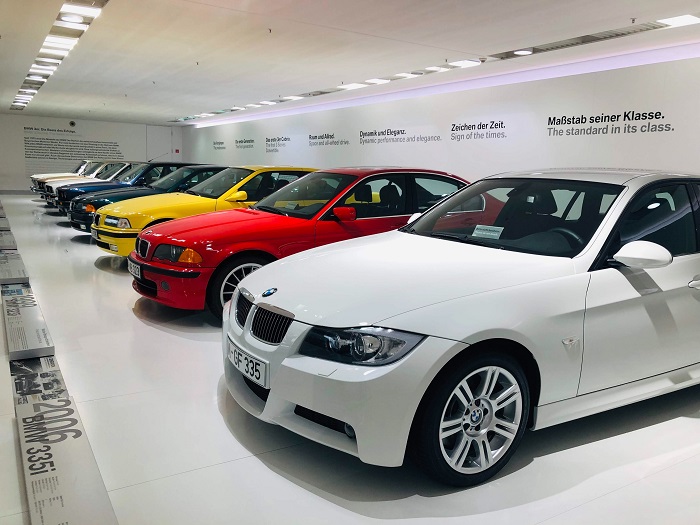
In 2004, the e90 was the new benchmark
Upon its introduction in 2004, the BMW e90 quickly became one of the Bavarian carmaker's most popular models. With its stylish design, powerful performance and advanced technology, the e90 set a new standard in the D-segment. In the years since its debut, the e90 has continued to evolve, adding even more advanced features that made it one of the most innovative cars at the time.
Examples of these innovations:
- Connectivity features such as Bluetooth and USB integration
Today, these features are standard on most new cars, but back then they were advanced technologies that made it easier than ever to stay connected on the road.
The latest generation of e90s are equipped with self-driving capabilities that allow them to park themselves and even change lanes automatically. This technology was still at an early stage, but was certainly innovative.
The e90 has always been a safe car, but recent generations have added even more safety features, such as blind spot monitoring and lane departure warning. These systems help drivers avoid accidents by giving them information about their surroundings that they might not otherwise have.
Engines in the BMW e90/91
Like every BMW, this 3-series has a wide range of engines. From economical four-cylinders to the super fast M3 with an eight-cylinder. It came in both petrol and diesel, and a few more engines were added after the facelift in 2008. See the complete overview below:
The different versions of the E90/e91
The BMW E90 was available in different lines or packages with different features and specifications. Here is an overview of the main differences between the Business line, Executive line, M Sport line and High Executive line:
Business line:
The Business line is the standard package for the BMW E90. It includes basic features such as air conditioning, electric windows and a sound system. It can also include alloy wheels and a leather-clad steering wheel.
Executive line:
The Executive line is a step up from the Business line and includes extra features such as leather upholstery, a multifunction steering wheel and an upgraded sound system. It may also include larger alloy wheels, park distance control and a panoramic sunroof.
M Sport line:
The M Sport line is a performance package that includes a sports suspension, larger alloy wheels and sports seats with extra support. It also includes an M Sport steering wheel, M Sport body kit and M Sport wheels.
High Executive line:
The High Executive line is the top package for the BMW E90 and includes a range of luxury features such as leather upholstery, a panoramic sunroof, an upgraded sound system and a full-colour head-up display. It can also include features such as park distance control, adaptive headlights and a larger infotainment display.
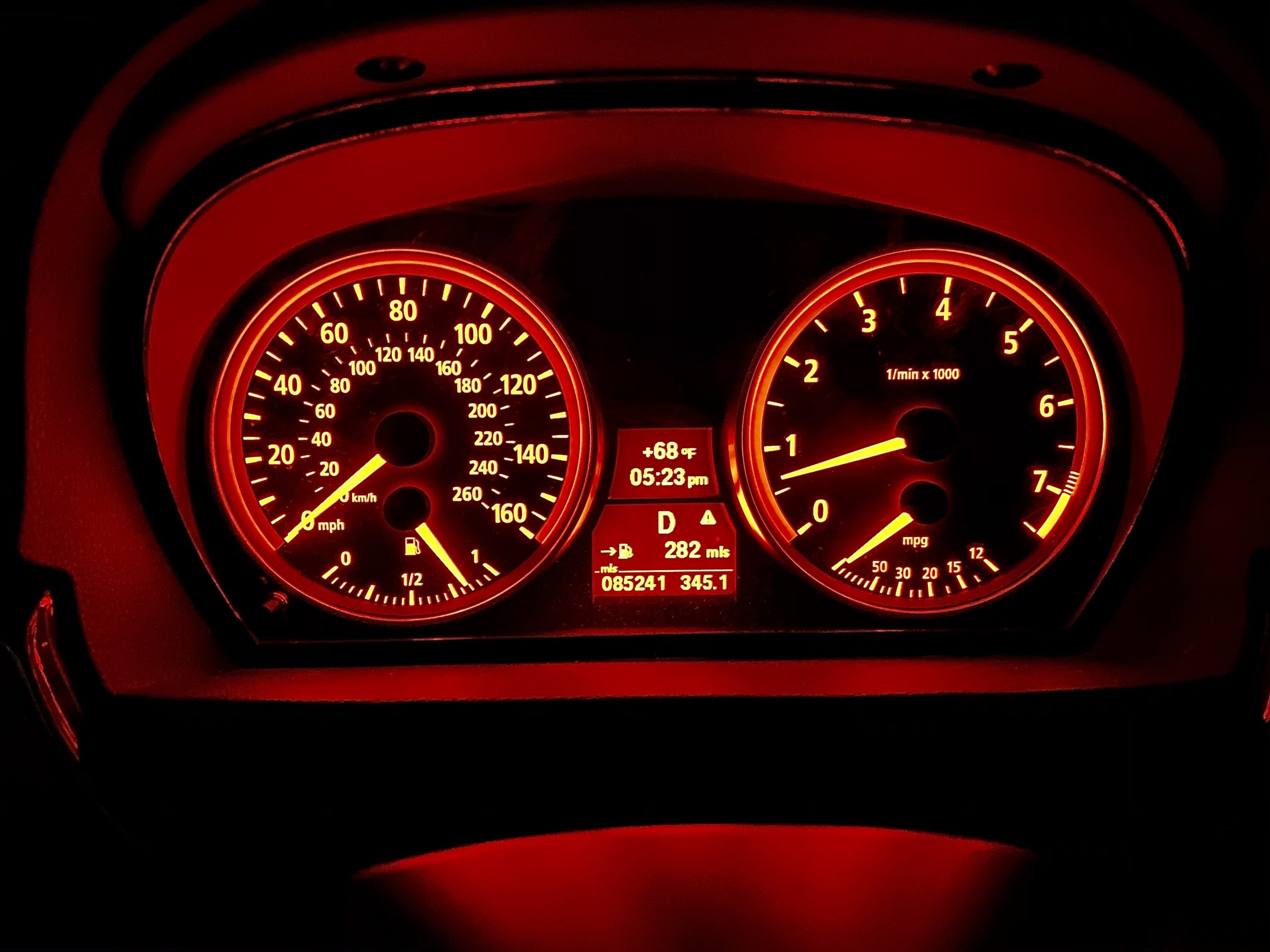
Petrol engines:
316i: 1.6-litre four-cylinder engine with 122 hp
318i: 2.0-litre four-cylinder engine with 129 hp
320i: 2.0-litre four-cylinder engine with 156 hp
323i: 2.5-litre six-cylinder engine with 204 hp
325i: 3.0-litre six-cylinder engine with 218 hp
328i: 3.0-litre six-cylinder engine with 233 hp
330i: 3.0-litre six-cylinder engine with 272 hp
335i: 3.0-litre six-cylinder twin-turbo engine with 306 hp
M3: 4.0-litre V8 engine with 420 hp (only available in the E90 M3)
Diesel engines:
316d: 2.0-litre four-cylinder engine with 115 hp
318d: 2.0-litre four-cylinder engine with 143 hp
320d: 2.0-litre four-cylinder engine with 163 hp
325d: 3.0-litre six-cylinder engine with 197 hp
330d: 3.0-litre six-cylinder engine with 245 hp
335d: 3.0-litre six-cylinder twin-turbo engine with 286 hp
Please note that engine availability may depend on the region in which the car was sold and the year of manufacture of the car.
Engine problems N43, N45, and N46 (the 316, 318 and 320i)?
The BMW N43, N45, and N46 engines are known to have a number of potential issues. Here are some of the most common problems owners have reported:
- Faulty timing chain: The timing chain in these engines is known to stretch and wear prematurely, which can lead to engine damage and expensive repairs. You often hear this during cold starts (rattling sound).
- Vanos system failure: The Vanos system is responsible for controlling the variable valve timing in the engine. A failure in this system can lead to rough running, reduced power and higher fuel consumption.
- Faulty high-pressure fuel pump: The high-pressure fuel pump in these engines has been known to fail, causing starting and driving problems.
- Oil leaks: The N43, N45 and N46 engines are prone to oil leaks at the valve cover, oil filter housing and oil pan gasket.
The N43 in particular is known to be unreliable. This is in the post-2008 facelift model.
- Cooling system problems: These engines are known for cooling system problems, including leakage from the radiator, water pump and thermostat housing.
- Faulty ignition coils: The ignition coils in these engines can fail, causing ignition errors and engine running problems.
If you experience any of these problems with your BMW N43, N45 or N46 engine, it is important to have it diagnosed and repaired by a qualified BMW mechanic to avoid further damage and expensive repairs.
Engine problems N52, N53, N54 and N55 (6 cylinders)?
There are several known problems with the BMW N52, N53, N54 and N55 engines. Here are some of the most common problems:
- High-pressure fuel pump failure: The high-pressure fuel pump in these engines may fail, causing starting and driving problems.
- Faulty water pump: The water pump in these engines is prone to failure, which can lead to overheating and engine damage.
- Vanos system failure: The Vanos system is responsible for controlling the variable valve timing in the engine. A failure in this system can lead to rough running, reduced power and higher fuel consumption.
- Oil leaks: The N52, N53, N54 and N55 engines are prone to oil leaks at the valve cover, oil filter housing and oil pan gasket.
- Faulty turbocharger (N54 and N55 engines): The N54 and N55 engines are equipped with turbochargers, which are known to break down and require replacement.
- Ignition coil failure: The ignition coils in these engines can fail, leading to ignition errors and engine problems.
- Carbon buildup: The N54 and N55 engines are prone to carbon buildup on the intake valves, which can lead to rough running, reduced power and higher fuel consumption.
If you experience any of these problems with your BMW N52, N53, N54 or N55 engine, it is important to have it diagnosed and repaired by a qualified BMW mechanic to avoid further damage and costly repairs.
Engine problems M47, M57 (diesel engines)
There are several known problems with the BMW M47 and M57 engines. Here are some of the most common problems:
- Timing chain failure: The timing chain in these engines is known to stretch and wear prematurely, which can lead to engine damage and costly repairs.
- Faulty turbocharger: The M47 and M57 engines are equipped with turbochargers, which are known to break down and need replacement.
- Diesel particulate filter (DPF) blockage: The M47 and M57 engines are equipped with a DPF, which can become clogged and cause a range of problems, including reduced power, warning lights and higher fuel consumption.
- Faulty high-pressure fuel pump: It is known that the high-pressure fuel pump in these engines can fail, causing starting and driving problems.
- Faulty fuel injectors: The fuel injectors in these engines can fail, causing them to run rough and produce less power.
- Faulty glow plugs: The glow plugs in diesel engines are prone to failure, especially in colder climates.
Sporty driving
The BMW E90 or E91 offers excellent handling thanks to its sporty suspension. This system consists of struts, lower wishbones, front and rear anti-roll bars and gas shock absorbers. This suspension system gives the E90 or E91 great body control without sacrificing comfort. Of course, the rear-wheel drive helps the sporty driving experience.
Advanced safety features.
In terms of safety, the BMW E90 or E91 is equipped with numerous advanced safety features. These features include airbags, ABS brakes, traction control and stability control. The E90 or E91 also comes standard with a tyre pressure monitoring system that alerts the driver when one or more tyres are underinflated. The NCAP score was 5 stars.
Fuel consumption
The BMW E90 or E91 is fuel-efficient thanks to its efficient engines and aerodynamic bodywork. With the four-cylinder petrol engines, you can average 1 in 14 with a normal driving style. The six cylinders are not too thirsty either, 1 in 12 can be achieved. Finally, the diesels are very fuel-efficient; the 320d can do 1:20 and the 330d averages 1:15.

Final verdict.
The advantages of a BMW E90 or E91 outweigh the disadvantages, making it a good choice for anyone looking for a used car. Now, the main advantages of the E90 are its economical price, stylish design, powerful engines and different equipment levels. Moreover, the exterior design is sleek and elegant with robust features, while the interior offers a chic space with quality materials and modern technology. In terms of performance, the E90 is equipped with reliable engines that provide sporty handling and advanced safety features. Finally, fuel economy is good for a car of this size. All these factors make the BMW E90/E91 an excellent choice for a used car.
Feb 9, 2023 | Buying advice |
Is it time for another car or is it better to keep driving your current one for a while?
You have a car, but you are not sure if it is the right time to buy a new one. Are you going to drive less or more, could you use a bigger car because something has changed in your personal situation, does your current car need serious repairs or would you just like something new. Replace or drive on?
Let's get right to the point: there is no one-size-fits-all answer to that question. There are countless reasons to buy a new vehicle, but there are just as many reasons to stay in your current car. We examine three typical scenarios and try to offer advice in the process.
More or less mileage?
You work from home more often than before, start a new career further away from home, or perhaps you retire. Numerous factors can cause you to abruptly drive fewer or more miles than usual. So the car you currently have in front of your door may just no longer be the cheapest and smartest choice.
 If you used to cover a lot of miles, you may now have a diesel or LPG car. These have a much higher road tax, but the price at the pump is much lower. This advantage disappears if you travel considerably less, in which case it can only be advantageous to drive a petrol or hybrid vehicle.
Or is there even an electric option? It is a good idea to look into this and list the costs for each version.
How much will it cost me?
A somewhat inefficient petrol-powered car is very expensive if you want to travel a longer distance, and a cheaper vehicle - whether it runs on a different fuel or has a plug - is always preferable. With the handy ANWB car expenses tool you can quickly determine how much your current car costs at different mileages and whether it makes sense to switch to another one.
A bigger or smaller car?
Are you staying married or perhaps getting divorced? Are the children leaving the parental home or is there a child on the way? Do you plan to remodel and regularly fill your small car with far too large items from the hardware store or furniture shop? Or are you planning to drive more often and need more safety and comfort than your current compact car can provide?
Remember that a bigger car usually costs more to operate. They consume more, you pay more tax/insurance and maintenance also tends to be more expensive. Do you really need that bigger car, or can you borrow or rent a bigger car from time to time? Think critically about this.
Read tests and reports
For convenience, the ANWB but also other websites such as Autoweek, for example, have collected all relevant information on both new and used cars. You can quickly search for your possible next vehicle by focusing on estate cars or minimum boot size, for example. There are also usage statistics, expected monthly expenses and regular tests carried out by the ANWB. Of course, you can also delve into the extensive second-hand offer and ask for advice at a specialist garage. So delve into the available information before making your choice.
Still performing maintenance?
A car needs regular maintenance, especially as it ages, as parts may need to be replaced before they break down altogether. The current value of the car is only decreasing, but maintenance costs seem to be increasing. When is it wiser to go elsewhere and when is a car worth an expensive repair?
It is difficult to predict breakdowns and failures. You may find that just after spending €2,000 on replacing the timing chain, the engine unexpectedly breaks down three weeks later. This is obviously galling but unfortunately unpredictable. Therefore, some luck is always needed, but some points can also be accurately predicted. To illustrate: you know when the timing belt should be replaced. Moreover, the garage mechanic or inspector may have advised you during the most recent service or inspection that it is probably time to replace the brakes or exhaust system. It could be time for something else if there are numerous such repairs coming up. So map this out carefully.
However, the next vehicle also needs maintenance. You might as well be back at the garage right after the purchase, especially if you are buying back a used car. Even if the cost approaches or exceeds the car's current market value, a high garage bill should not be an excuse to throw away an old but reliable vehicle. You are aware of what you have, and it is essentially an excellent car. Even though another opportunity may seem attractive, keep in mind that the previous owner most likely also sold it for one of the above motives.
Perhaps private lease?
The manufacturer's warranty only covers repairs on new cars for the first few years. However, every car will eventually need maintenance and this will cost you money. If you want to avoid unpleasant surprises, consider leasing privately. The fuel is then added to a fixed monthly amount that you pay afterwards. This fixed monthly amount therefore already includes maintenance costs. Private leasing is starting to become more and more accessible to individuals, so it is definitely worth looking into!
Good luck with the choice!
Jan 30, 2023 | Buying advice |
The Fiat 500 is a great choice for when you go to buy your first car. It is affordable, easy to drive, and has a cool factor. Some things to consider before buying a Fiat are common problems, which engine is best in a Fiat 500, and that it is a city car. How to get the most out of a Fiat involves keeping it tidy, adding accessories and driving it with a smile.

The Fiat 500 is affordable
The Fiat 500 is an extremely affordable car, they start as low as 3000,- euros. The newer models run up to over 30,000.00 euros, but then you are talking about a virtually new car. In terms of price, it makes it an excellent choice for someone looking for a first car because it is not that expensive.
It is easy to drive.
The Fiat 500 is also a very convenient car. Its small size makes it easy to manoeuvre in tight streets and parking is not complicated either. Its light steering makes it easy for anyone to handle. You will find that you will quickly become familiar with the Fiat 500.
The cool image
The Fiat 500 also has a lot of personality and style. It comes in different colours and has retro-inspired design elements that give it a lot of character. So it has a distinct look and most people can appreciate this car, a bit similar to Mini Cooper of yesteryear, or maybe we are giving this car too much praise then!?
Some things to consider before buying a Fiat
Before buying a Fiat 500, it is important to be aware of some common problems owners have reported. These include things like engine fires, transmission problems and electrical issues. While these problems are relatively rare, they can be expensive to repair if you are not prepared for them. Below, we take a closer look at some of the problems:
Engine overheating.
If your Fiat 500's engine overheats, the most likely cause is a problem with the cooling system. Check the coolant level and make sure it has been topped up. If it is low, add coolant to the correct level. Another possible cause of engine overheating is a faulty thermostat. The thermostat controls the flow of coolant through the engine. If it is not working properly, it may cause the engine to overheat. Replace the thermostat if necessary. Finally, check the radiator for leaks. If there are leaks, repair them with a radiator repair kit.
Brake problems
If your Fiat 500 has braking problems, the most likely cause is worn brake pads or shoes. Inspect the brake pads and shoes for wear and replace them if necessary. Another possible cause of brake problems is a leak in the hydraulic system. Check all hoses and fittings for leaks and tighten or replace them if necessary. Finally, check the brake fluid level in the reservoir and add fluid if necessary.
Electrical problems
If your Fiat 500 has electrical problems, the most likely cause is a problem with the battery. Check the battery for corrosion and clean it if necessary. Another possible cause of electrical problems is a faulty alternator. The alternator charges the battery and powers the electrical system. If it is not working properly, it can cause the battery to lose power and the electrical system to malfunction. If necessary, replace the alternator.
Which engine is best in a fiat 500
If you choose a Fiat 500, you have a choice of two engines: a 1.2-litre four-cylinder or a 0.9-litre twin-cylinder turbo engine. Both engines are good choices, but the four-cylinder is more powerful and efficient. It is also noteworthy that the turbo engine is only available on the more expensive models.
It is a city car
The Fiat 500 is designed for city driving, and it excels at that. Its small size makes it easy to manoeuvre and park, and its low fuel consumption means you won't spend much at the pump. However, there are some drawbacks to this design choice. Because the wheelbase is short, it can feel a bit choppy on highways and higher speeds. Besides, it is not a space wonder, if you regularly drive to IKEA for new furniture then the FIAT 500 is probably not the most convenient choice. Fitting a tow bar is an option, but this car is not allowed to tow much and the engines probably don't like a caravan.
How to get the most out of a Fiat
A Fiat is a small car, which means it easily becomes cluttered. To avoid this, keep the interior clean and uncluttered on a regular basis. This will keep the car looking its best and make it easier to find things when you need them. This applies to more cars, of course.

Accessories.
Think like the when buying any used car think carefully about the accessories you need. The offer id large and retrofitting accessories like cruise control can be pricey. Therefore, it is advisable to make a shortlist and use filters during your search. If you are going to look for a used car, you should check the website of car.co.uk can look, they have a great range of new and used cars.
Conclusion
If you are looking for an affordable, easy-to-handle car with a cool factor, the Fiat 500 is a great choice for a first car. However, there are some things to consider before buying one - common problems, which engine is best and that it is a city car so not the most powerful or spacious, but perhaps the most fun!
Jan 20, 2023 | Buying advice |
Are you looking for a new car? Then there are many different makes and models to choose from. Each model can give you completely different specifications and make car journeys easier. It is therefore important that you know in advance all the things you need to consider. After all, all the specifications can be completely tailored to your needs if you know what to look for. After all, how do you make sure you only experience the conveniences? The information below ensures that a car purchase becomes very easy and you have a car for all your journeys within a short time.

Listing your needs
Buying a car starts by listing your requirements. You undoubtedly have a number of specifications that you want to see reflected in the car anyway. Think about the basics first. The colour of the car, electric windows or having bluetooth in the car are some examples of the specifications you can look at. By drawing up a wish list in advance, you can look more specifically at the car's specifications. While doing so, also think about the available MOT. A minimum duration until the next MOT can also be a factor you can look at. This way, you avoid incurring new costs quickly after the purchase. In addition, you can search more easily on different car sales websites by filters smart use. This will show you an offer that meets your specifications and you won't have to scroll endlessly.
Comparing the models
Once you have your requirements listed, you can look at the brands and models that match them. For example, the Peugeot 308 to this. Other makes and models can also be found on offer. Note that with second-hand models, you cannot always get the colours you want. After all, you are bound by the available supply. Coming back to the use of the aforementioned filters, don't overdo it by setting too many filters. This may unintentionally make the range too small. For instance, if you find foldable side mirrors a nice option but not crucial to your choice, you obviously don't set this filter. In addition, you should think carefully about the cost of certain accessories. If you want a towbar but it is not on the car, you can of course always have it fitted afterwards. The cost of a fixed towbar is around 500. The lack of in this case a towbar can of course always be used in the negotiation, often a garage has some margin and you could negotiate a towbar in addition.
Specifications make the difference
Finally, you can look at any extras your car should come with. The specifications all bring with them a different ease of use and can also cause you to have different experiences with the car. There is a long list of specifications for sale, so you have a good overview of these. So you then have to make sure you know what it all means and what extra benefits it can bring you. Both the Peugeot 308 and any of the other models can ensure that you get from A to B safely again and enjoy all the conveniences.
Jan 20, 2023 | Buying advice |
For those who want to rent a car for a month but do not want to commit to a long-term lease, there is now an option available. Short-term rental services offer the option of renting a car for a month without having to enter into an extended lease. This is good news for people who are between cars, want to get the most out of their holidays or just want the convenience of a car, but don't want to be stuck with it for 2, 3, or sometimes even 5 years.

shortlease
Shortlease is ideal for people who do not have access to public transport or need a vehicle regularly, but do not fancy the hassle and expense of owning one permanently. Also, if you work on a project basis as a self-employed person, for example, a short-term car lease is an ideal option. And if you have seasonal work, you can lease extra cars during the busier periods. After this busy period, you can cancel the contracts again as you are not stuck with them for a long time. With short-term rental agreements, customers can enjoy all the benefits of renting without having to make long-term commitments. Prices depend on availability and location, so it is always good practice to look around before settling for one rental company.
How does short lease privately work?
Short lease contracts are usually offered by car rental companies, allowing customers to rent cars for short term rather than long term. This type of leasing usually lasts between one and three months, depending on the policies of the respective company. The lease period can be extended or renewed at any time, making it an ideal option for those who want to be flexible or cannot afford to buy a new car. With short lease private customers pay only for what they use and have more flexibility in their choice of vehicles and how often they want to rent them.
What are the costs of short lease?
Short lease can be an attractive option for those who only want to rent a car for a short time. If you are looking for an affordable way to get around, consider renting a car with a shortlease contract. With short lease, you enjoy the convenience of having your own car without long-term commitments or financial investments. When it comes to determining the cost of renting a car with a shortlease, there are many factors that affect the final cost. The length of the rental period, the type and size of the leased vehicle and the additional services requested all affect the total cost. In general, shorter leases are nowadays comparable to long (private) leases in terms of investment. Finally, this type of leasing can also be a good way to test whether a car suits you. Perhaps the seats don't sit well, in which case short lease allows you to swap your car for another one within a short time. With regular lease contracts, this is a lot more complicated and, moreover, you often pay a fine if you want to change cars sooner.
Dec 5, 2022 | Buying advice |
Due to the shortage of chips, among other things, fewer cars are being produced. Car dealers often face model shortages in 2022, which means consumers sometimes have to wait months before they can actually drive a car they have bought.
 We were recently alerted to the new platform Mitsubishi-kopen.co.uk from Mitsubishi Netherlands which lists cars available directly from stock. This "Direct drive"models from different Mitsubishi dealers are collected together on the website. This gives you, the buyer, a nice overview of where which model is ready to go immediately. Handy anyway!
Instantly drive a new Mitsubishi
It will also provide space for models that are in stock as standard. For now, that is the Eclipse Cross PHEV, but here very soon the new Mitsubishi ASX added.
What about these models again? Here we will briefly discuss:
Eclipse Cross PHEV
The Eclipse Cross PHEV offers the best of 2 worlds. On the one hand, you can drive fully electric (for daily commutes), with the flexibility of a petrol engine for longer journeys. Unlike most hybrid vehicles, the Eclipse Cross PHEV has no less than two electric motors and all-wheel drive as standard. This ensures a quiet, comfortable driving experience with smooth acceleration and optimum traction and grip in all conditions.
A calculation example to get a better idea. Paris is only 475 km away from Utrecht, well within reach of the Eclipse Cross PHEV with a full drive battery and a full tank. On the way back, you only fill up once and, if you wish, you can fully recharge the drive battery at one of the many charging points you can find along the road these days.
Mitsubishi ASX
The ASX is available with a traditional petrol engine, as a parallel hybrid and as a plug-in hybrid. The standard petrol engine is already good for fine performance and is even lively when the sport mode is chosen. The hybrids not only provide lower consumption, but also better performance. This is because the electric motor's contribution provides more agility at low speeds and more power at high speeds (faster intermediate sprints). The plug-in hybrid is the most expensive version because of its large battery, but it is by far the most fuel-efficient and therefore the most economical per kilometre.
The new generation has a more mature character and more modern equipment (luxury and safety). Moreover, the hybrid engines provide lower consumption, better performance and more comfort.
Dec 5, 2022 | Buying advice |
Renault's all-new SUV is the Renault Austral, a family SUV with full hybrid system and packed with tech gadgets. Is it enough to compete with rivals? And is the Buy Austral a good idea?
 In the Netherlands, the Austral is available as a so-called 'mild-hybrid' with a new 1.2 three-cylinder turbo engine with 130 hp and 48-volt support, and a full-hybrid engine with an output of 200 hp. Interestingly, a plug-in hybrid version has not been chosen.
Specifications Renault Austral
A look at the figures shows that the Austral is right in the middle of the family SUV landscape in terms of performance. With a total power output (petrol and electric) of 199 hp and a 0-100 km/h time of 8.4 seconds, the Austral lags behind, say, the more powerful Kia Sportage hybrid, but it will be faster than, say, the Ford Kuga hybrid.
It also comes with a hefty 2 kWh battery pack to power the hybrid system's electric motor; this is larger than the batteries used by the competition, and should allow you to drive longer on electric power at city speeds.
Consumption Austral
Thanks to the electric motor and large battery pack, the Hybrid achieves consumption of 4.6 l/100 km (1 on 21.7), while the mild hybrid does 5.2 l/100 km (1 on 19.2).
The Austral always starts from standstill electrically and can (in theory) drive without engaging the petrol engine. However, this depends on whether you go easy on the throttle and whether there is enough charge in the battery. Most of the time, however, you notice that after a solid wave of initial electric acceleration, the engine kicks in to provide more power to keep up with traffic.
If you want some extra power on the go, such as when overtaking or merging on the motorway, the Australian's gearbox unfortunately takes a bit too long to shift into a gear, leaving a gap between your demand for power and speed. The Sportage hybrid does respond a lot faster in such situations.
Steering and handling
The steering seems nicely weighted and pleasantly precise for family SUVs, but the Renault Austral goes one step further by offering the option of all-wheel steering (4Control). This drastically reduces the turning circle to 10.1m (the much smaller Captur requires 11.1m), making the Austral easy to manoeuvre in city traffic.
The Austral's suspension is soft, making it comfortable. In sport mode, sporty drivers can indulge themselves because then the car shows a surprisingly dynamic side. You can choose from a drop-down menu how much room you want from the assistance systems to bang through corners hard. Our advice would be to avoid the larger 20-inch wheels, though, as they transmit the impact of potholes and rough roads at low speed. The smaller 18-inch wheels should solve this problem and should also cause less road noise.
Interior and technical gadgets
If you like big screens, you will no doubt have a fondness for the Austral. You get a 12-inch digital multimedia screen in the centre console. The design of the dashboard resembles that of the Megane E-Tech Electric. Fortunately, Renault opted for real buttons for the main functions, which makes the controls more logical. Think of various climate functions.
Of course, using a Google-based voice control system, you don't have to touch the screen itself. You can give the Austral voice commands to adjust the air conditioning, control the navigation or even change the driving mode, for example, if you want. This would even be our preference for convenience and safety while driving.
The same compliment can be used to describe the rest of the interior, which has many soft finishes, with cheaper plastics well hidden from the driver's field of vision. The plastics used in the rear do tend to be of the harder variety but that is also common among competitors and not distracting.
The driver's seat is widely adjustable and there is plenty of head and legroom in the front for occupants. Helped by the sliding rear seats, there is more legroom in the back than in the rear than, say, the Sportage. The boot is quite spacious, holding 499-1525 litres (Nissan Qashqai: 504-1447 litres).
Conclusion
The 130 hp version of the Renault Austral will be on showrooms from this month (December 2022) and starts with prices starting from 36,480 euros. For 2000,- more, you have the Esprit Alpine model (the new name for R.S. Line), equipped with choice extras such as all-wheel steering and the fine Harmon Kardon sound system. For now, no electric version of the Austral is planned.
All in all, according to connoisseurs and various test reports, it is a quiet and comfortable SUV with very few downsides. Will this kick-start the Renaulution for Renault? Or will it only happen once the electric versions of the Renault 4 and 5 appear? We will keep an eye on it.
Nov 28, 2022 | Buying advice |
While petrol and diesel prices shoot through the roof, we still continue to enjoy driving on the road together. It is therefore not an unnecessary luxury to take a critical look at your car's consumption. Here is a list of the 10 most fuel-efficient cars currently available. These are petrol cars without a charging port (but often with a mild hybrid electric motor).
Remember that this is the fuel consumption as given by the factory, so this may be different when you tear through the streets like a Schumacher. But however you look at it then the following cars will still be the most economical choices:
Most fuel-efficient cars, overview of petrol consumption and CO2 emissions
- 1 Toyota Yaris Hybrid/Mazda 2 Hybrid CO2 86 g/km Consumption 3.8 l/100 km 1:26.3
- 2 Renault Clio E-Tech Hybrid CO2 145 g/km Consumption 4.2 l/100 km 1:23.8
- 3 Toyota Corolla 1.8 Hybrid CO2 101 g/km Consumption 4.5 l/100 km 1:22.2
- 4 Honda Jazz Hybrid CO2 102 g/km Consumption 4.5l/100km 1:22.2
- 5 Fiat 500 1.0 Hybrid CO2 105 g/km Consumption 4.6 l/100 km 1:21.1
- 6 Suzuki Swift 1.2 Smart Hybrid CO2 106 g/km Consumption 4.7 l/100 km 1:21.1
- 7 Toyota Aygo X CO2 108 g/km Consumption 4.7 l/100 km 1:21.2
- 8 Hyundai i10 CO2 109 g/km Consumption 4.8 l/100 km 1:20.8
- 9 Toyota C-HR 1.8 Hybrid CO2 110 g/km Consumption 4.9 l/100 km 1:20.4
- 10 Suzuki Ignis 1.2 Smart Hybrid CO2 110 g/km Consumption 4.9l/100 km 1:20.4
1: Toyota Yaris Hybrid/Mazda 2 Hybrid
 In first place we find the Toyota Yaris Hybrid/ Mazda 2 Hybrid, which, according to the figures, with a consumption of 1 in 26.3, is a very economical car indeed (without charging cable!). A shared spot as this car is marketed by both Toyota and Mazda as the exact same model.
2. Renault Clio E-Tech Hybrid
A nice car to look at and also nice and smooth with 143 hp. According to the specifications, it should be possible to drive 1:24, not bad.
3. Toyota Corolla 1.8 Hybrid/Suzuki Swace 1.8 Hybrid
A shared place for the Toyota Corolla and the Suzuki Swace which both share the same powertrain. consumption comes down to 4.5 l/100 km.
4. Honda Jazz Hybrid
A full hybrid but this time without a plug from the Honda brand. This little Jazz is surprisingly spacious and has a consumption of just 1 in 22.2.
5. Fiat 500 1.0 Hybrid
Seen a lot on the road and still a favourite with many people, the Fiat 500. This car has very low fuel consumption, 1 in 21.1, thanks to its mild hybrid engine. Of course, if that's not enough, you can also opt for the all-electric Fiat 500e.
6. Suzuki Swift 1.2 Smart Hybrid
A beautiful car to look at and very economical at the same time. By the way, this model has the same powertrain as the Suzuki Ignis that we come across at spot 10.
7. Toyota Aygo X 1.0 VVT-i
The Aygo, who doesn't know it. And this is not the only Toyota in the list, either! It is a relatively small and light car and because of its fuel-efficient engine, you end up with 1 in 20 but in practice this turns out to be even more favourable.
8. Hyundai i10 1.0i
A small and light car with consumption of 1 in 20.8. Very economical and that without electric assistance.
9. Toyota C-HR 1.8 Hybrid
This Toyota is the biggest car in the list, so how is it possible that it still made it into the list? This is mainly because Toyota is a forerunner in developing hybrid technologies and they are now reaping the benefits. The Toyota CH-R ranks 8th with 1 in 20.4.
10. Suzuki Ignis 1.2 Smart Hybrid
And the straggler of this list is the Suzuki Ignis. This car also features mild hybrid technology which means the petrol engine is supported by a small electric motor. In this case, that yields consumption of 1 in 20.4.
Nov 25, 2022 | Buying advice |
Every year, the Consumers' Association does a survey on what the most reliable car brands are. Of course, this is a nice list to have to hand when you are looking for a new car! These days, cars are brimming with electronics and, unfortunately, this can also often result in dashboard lights starting to come on (or, of course, an icon on your all-digital dasboard).
Read on quickly about what came out of the Consumer Association survey.
Most reliable brand
As you are no doubt often told at your uncles' and aunts' birthdays, Japanese or South Korean cars are solid buckets. And they are right! In the top 10, there are no fewer than 9 brands from Japan or South Korea, not bad!
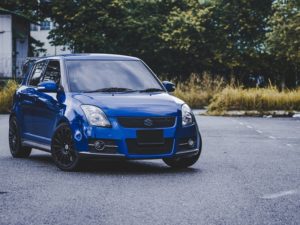 By 2021, Mitsubishi still the frontrunner now is that Suzuki (stood at 2 last year). Suzuki has 5 models on the road that score higher than 7.4, most notably the Celerio, Ignis, Swift, SX4 and Vitara. Here is the complete list:
| Brand |
Grade |
| 1. |
Suzuki |
8,5 |
| 2. |
Mitsubishi |
8,4 |
| 3. |
Subaru |
8,3 |
| 4. |
Toyota |
7,9 |
| 5. |
BMW
Honda
Mazda |
7,6 |
| 8. |
Kia
Lexus |
7,5 |
| 10. |
Hyundai |
7,2 |
| 11. |
Seat |
7,1 |
| 12. |
Mercedes-Benz |
7,0 |
| 13. |
Dacia
Skoda |
6,9 |
| 15. |
Volvo |
6,8 |
| 16. |
Opel |
6,6 |
| 17. |
Audi |
6,5 |
| 18. |
Nissan
Peugeot
Volkswagen |
6,4 |
| 21. |
Fiat
Ford
Renault |
6,1 |
| 24. |
Citroën |
6,0 |
Which car comes out best in the survey?
If we look at which car is the most reliable, it comes down to the Mitsubishi ASX. A fine car to look at but therefore also very reliable according to those surveyed. This is a compact SUV from the Japanese brand and has been on the road since 2012. According to the Consumers' Association, only 1 per cent of ASX drivers broke down last year, other less urgent repairs were also almost non-existent.
The conclusion?
Want a nice reliable car? Then go for a Japanese or South Korean model! For years, these cars have proven to cause few problems that allow you to hit the road without any worries. Want to read more or take part in next year's survey? Then visit the site of the consumer association.
Nov 17, 2022 | Buying advice |
Are you a car enthusiast? Then you naturally want to own a bolide that is unique. Whether it is a Ferrari, an Audi or a Mercedes Benz, most of us would like to be in the proud possession of an exclusive car someday.
Fortunately, you can find a wide range of exclusive cars. But finding the right exclusive car can be trickier than you thought beforehand. In this blog, we give you a helping hand by sharing some tips to help you successfully purchase an exclusive car.
Differences between buying a normal and exclusive car
 First of all, it is good to know the differences between buying a normal car and buying an exclusive bolide. When looking at exclusive cars, the biggest difference is, of course, the price. If you want to show off a unique car, you obviously have to be prepared to spend (a bit) more. It is also very important to inspect the car well to avoid surprises later on, because the more expensive the car is, the higher the repair costs will often be. So know well what you are buying and make sure the car is in good condition, or that it has no defects. If you don't have the necessary (technical) knowledge, preferably take someone with you who does. That way, you know what to look out for and what the possible pitfalls are.
Purchase through regular channels?
There are several ways you can buy an exclusive car. For instance, you can choose to buy the car through regular channels, such as marketplace or a car dealership. However, the danger with this is that you don't know whether the car is truly exclusive. You may then end up not being satisfied with your purchase after all. Moreover, you also run the risk of the car being stolen, or something else being wrong with it. Therefore, it is wise to buy an exclusive car from a registered garage or preferably a specialist.
Consider buying through a specialist
Our advice would be to buy through a specialist. A specialised car dealer has a lot of knowledge and can give you good advice and help you find the car of your dreams. There are of course many specialists like this in the Netherlands, such as a Engineroom.co.uk. This way, you can be sure you are dealing with people who know their stuff and that makes the journey to purchase a lot more pleasant anyway.
3 reasons for buying an exclusive car
A car is much more than a luxury item; a car is an asset, one that can prove to be an investment for the future. If you're about to take the plunge to buy your dream car, here are some reasons that might put you over the top.
- Luxury cars have high trade-in value: Whatever luxury brand you prefer, one thing you can be sure of is that luxury cars usually retain their value better than the average vehicle. Cars depreciate over time, but luxury cars usually have a higher trade-in value. In some cases, they may even increase over time. However, it is important to remember that caring for your car also plays an important role in terms of its value, so make sure you pay attention to the essential maintenance of your car.
- Safety features on luxury cars are usually better: Luxury car manufacturers take safety seriously, which contributes to the higher price tags. Safety features like blind spot warnings, extendable steering wheels and Hill Start Assist can save you an accident. While you may pay more for the car at first, the savings these safety features can bring in terms of insurance costs and medical bills can be significant.
- Comfort and beauty: there is no denying that the most luxurious bolides often also excel in both looks and comfort. With the help of your Jaguar, Porsche or BMW, driving to your holiday spot on the Cote d'azur is often a lot more comfortable.
If you have set your sights on treating yourself to a luxury vehicle, don't write off the idea based on price alone. It is important to look at the bigger picture and consider the ways in which your luxury car can be an investment in the future. It may seem like a lot of money to spend now, but think of the ways it can reap rewards later.
Good luck and most of all have fun riding!

 EN
EN  NL
NL  DE
DE